

A Complete Guide to Understanding Luxury Watches
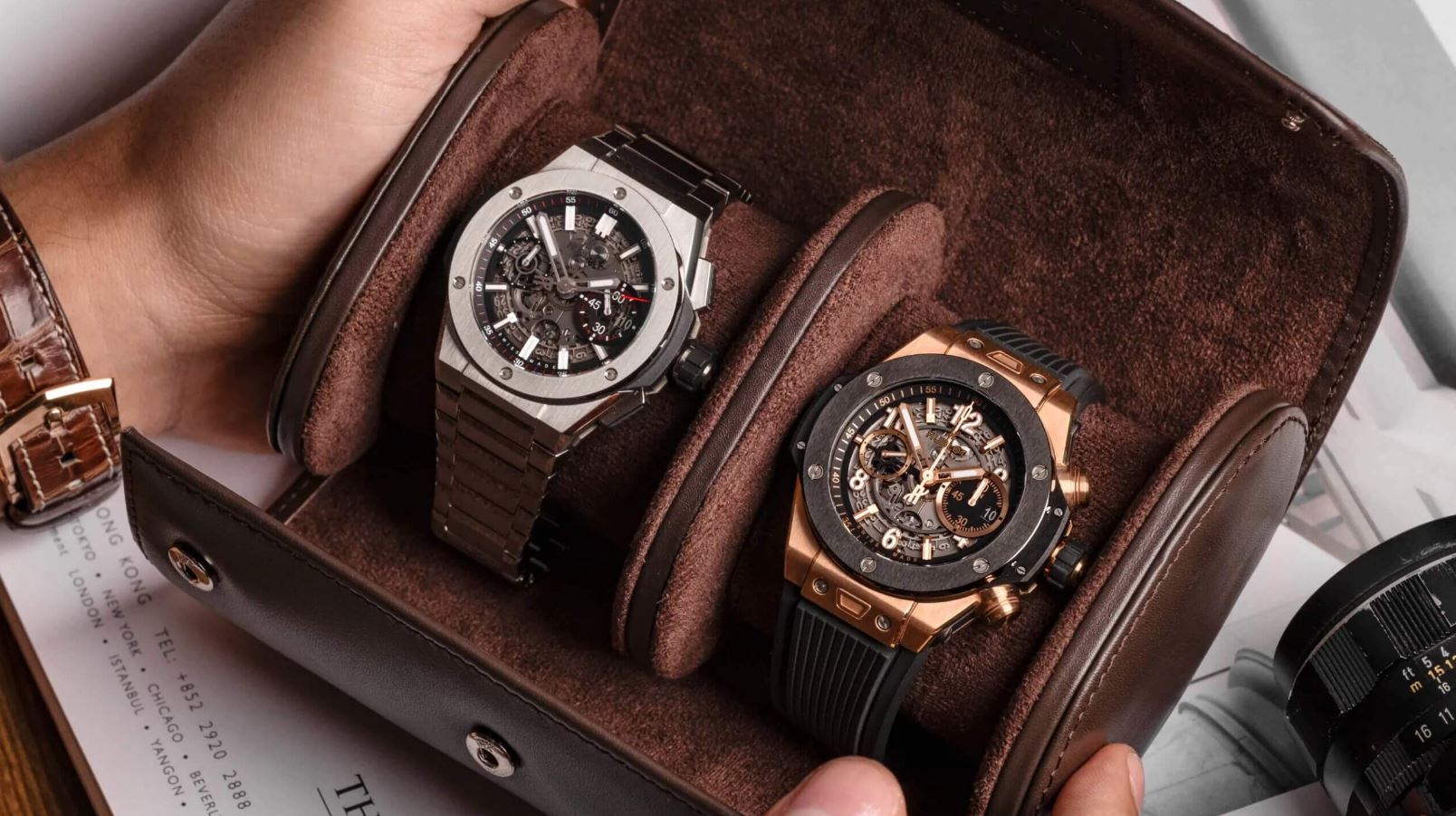
The Legacy, Craft, and Modern Relevance of Luxury Watches in Men’s Style
The Symbolism Behind a Timepiece
A watch is more than an instrument for telling time. It is a declaration of discipline, heritage, and identity. For generations, the wristwatch has served as a silent statement, a mark of refinement that transcends trends. Unlike digital devices that reduce time to numbers, mechanical watches embody craftsmanship and tradition. The modern man who wears a watch carries with him more than an accessory; he carries a philosophy of value, precision, and patience. A luxury watch represents appreciation for detail, engineering, and endurance. It connects past and present through artistry that remains largely untouched by automation. Wearing one is not about status alone. It signifies control over pace and awareness of presence. As men grow increasingly immersed in a world defined by speed, the mechanical watch remains a reminder that time, when crafted beautifully, deserves attention. The symbolism lies not in luxury itself but in what it teaches about stewardship, awareness, and timeless taste.
The History of Horological Excellence
The history of luxury watches traces back to the early 16th century when portable timekeeping became a symbol of intellectual and social achievement. Early craftsmen from Switzerland, Germany, and France developed intricate mechanisms powered by mainsprings rather than weights, revolutionizing personal timekeeping. As centuries progressed, precision became an obsession. Swiss watchmakers in Geneva refined their methods, giving rise to brands that would dominate horology for centuries. Watches evolved from functional tools into expressions of artistry. Pocket watches adorned with engravings, enamel, and precious metals reflected both taste and innovation. The 20th century marked the transition to wristwatches, driven by necessity during wartime when practicality outweighed tradition. What began as a utilitarian shift became the standard of elegance. Post-war prosperity fueled competition among watchmakers, inspiring innovations such as automatic movements, water resistance, and chronograph functions. Each milestone reinforced the union between engineering and art. Today, that legacy remains alive in every mechanical heartbeat ticking beneath sapphire crystal.
The Mechanics of Precision
At the heart of every luxury watch lies an intricate mechanism composed of hundreds of parts working in harmony. Known as the movement, it transforms energy into motion with remarkable accuracy. Mechanical watches rely on winding, either manual or automatic. A coiled mainspring stores energy that is gradually released through a balance wheel and escapement system, regulating timekeeping. The precision of this process defines craftsmanship. Every gear, jewel, and screw plays a role in maintaining equilibrium. High-end brands spend years perfecting in-house calibers, testing them for durability and reliability. Some feature complications, such as moon phases, perpetual calendars, or chronographs, that showcase technical mastery. The artistry lies not only in function but in form. Finishing techniques such as Geneva stripes, perlage, and beveled edges elevate movements to aesthetic perfection. Even though the mechanism remains hidden beneath the case back, enthusiasts value this invisible craftsmanship as much as the visible design. Precision becomes poetry when built by hand, one gear at a time.
Design Philosophy and Materials
The design of a luxury watch bridges engineering and emotion. Every element, from case shape to dial texture, serves both purpose and personality. Stainless steel dominates for its resilience, while precious metals like gold, titanium, and platinum introduce prestige. Sapphire crystal provides durability and clarity, protecting the dial from scratches while showcasing its artistry. The dial itself often becomes a canvas. Sunburst finishes, guilloché patterns, and minimalist indexes reveal character. Luminous markers enhance readability, while skeleton dials expose the mechanical soul beneath. Straps, whether crafted from calf leather, alligator skin, or integrated metal bracelets, complete the visual language. Balance defines great design. A watch must feel proportional, comfortable, and harmonious in movement. Modern aesthetics often merge heritage with innovation, blending traditional craftsmanship with contemporary geometry. The finest designers understand that restraint enhances power. The watch must never overwhelm the wrist but instead become an extension of it, communicating confidence through subtlety and deliberate form.
The Role of Luxury Watches in Men’s Fashion
In men’s style, a watch serves as both anchor and accent. It completes an outfit without demanding attention, adding structure to visual balance. Unlike other accessories, it transcends categories of formality. The same watch may accompany a suit, a polo, or even casual wear, depending on its design and material. Dress watches, characterized by thin profiles and clean dials, pair best with tailored clothing. Sport watches, featuring bold bezels and robust cases, lend confidence to more relaxed attire. Chronographs and divers strike a balance between performance and presence, appealing to men who value function. The integration of a watch into fashion lies in contrast. Leather straps soften structured outfits, while metal bracelets introduce strength. Beyond aesthetics, the watch reflects personal philosophy. It conveys consistency, reliability, and attention to detail, traits that align with a man’s demeanor as much as his wardrobe. A watch remains the final punctuation in the grammar of men’s fashion, grounding appearance in purpose.
Collecting and Understanding Value
Luxury watch collecting combines passion with patience. For many enthusiasts, it represents an appreciation of heritage, design, and rarity rather than pure ownership. Each watch tells a story of innovation, legacy, and craftsmanship. Understanding value requires recognizing factors such as brand heritage, movement complexity, materials, and production quantity. Limited editions and discontinued models often appreciate due to scarcity and historical relevance. Yet emotional value often outweighs monetary worth. A gifted or inherited watch carries memory and meaning beyond price. Collectors study references, calibers, and serials to trace lineage. Maintenance plays a vital role in preservation. Regular servicing ensures longevity and accuracy. Storage in controlled environments protects against humidity and dust. The luxury watch market thrives because it bridges emotion with engineering. It encourages mindfulness, teaching collectors to appreciate time not as fleeting but as enduring. In the quiet ticking of a finely tuned movement, value becomes something measured not in currency but in legacy.
Technological Innovation and Modern Trends
The luxury watch industry continues to evolve alongside modern technology. While smartwatches dominate contemporary convenience, traditional watchmakers have responded with innovation rooted in authenticity. New materials such as ceramic, carbon composite, and titanium alloys redefine durability and comfort. Brands experiment with color through gradient dials and transparent cases, appealing to a younger generation. Mechanical advancements, including extended power reserves and anti-magnetic movements, merge tradition with progress. Sustainability also shapes modern watchmaking. Ethical sourcing of metals, eco-friendly manufacturing, and long-lasting design reflect new values of responsibility. Vintage-inspired designs experience resurgence, connecting nostalgia with modern precision. Meanwhile, collaborations between fashion houses and horological masters create cross-disciplinary creativity. Technology does not threaten mechanical watches; it complements them. The enduring appeal of mechanical timepieces lies in their independence from obsolescence. In an age of constant updates, a mechanical watch stands unaltered, reminding men that progress need not replace heritage, it can refine it.
Caring for and Maintaining a Luxury Watch
Proper maintenance preserves both beauty and performance. Luxury watches, though durable, require attention to ensure longevity. Regular cleaning with soft cloths removes oils and dust from daily wear. Avoiding exposure to extreme temperatures, magnetic fields, and moisture extends lifespan. Mechanical watches benefit from professional servicing every few years to maintain movement integrity. Servicing involves disassembly, lubrication, and regulation, ensuring accuracy and preventing wear on critical components. Water resistance should never be assumed permanent; seals degrade with time and require replacement. Storage also affects preservation. Watches stored in cases or winders maintain balance and readiness. For collectors, cataloging watches and their service records enhances value and traceability. Straps deserve equal care. Leather should remain dry and conditioned, while metal bracelets benefit from gentle brushing. Maintenance rituals connect wearer to watch, reinforcing mindfulness. When properly cared for, a luxury timepiece outlives trends and even generations, transforming into a piece of enduring mechanical poetry that speaks through silence and precision.
The Timeless Legacy of Craft and Character
A luxury watch transcends fashion, functioning as a bridge between artistry and utility. It embodies craftsmanship that endures beyond digital convenience and cultural shifts. For the discerning man, it becomes a companion rather than an accessory, marking milestones and moments of reflection. Every rotation of its hands reminds him of discipline, purpose, and the finite nature of time. Luxury watches endure because they capture something that cannot be replicated by technology, human touch. They honor patience, precision, and pride in creation. Their legacy persists through those who appreciate what is lasting over what is loud. Whether inherited, gifted, or self-earned, a luxury watch narrates continuity. It celebrates not speed but permanence, not status but substance. In the end, the greatest measure of time is not how fast it passes but how well it is kept. Through craftsmanship and care, the art of watchmaking ensures that time, when respected, remains forever beautiful.