

Building a Minimalist Wardrobe for Everyday Wear
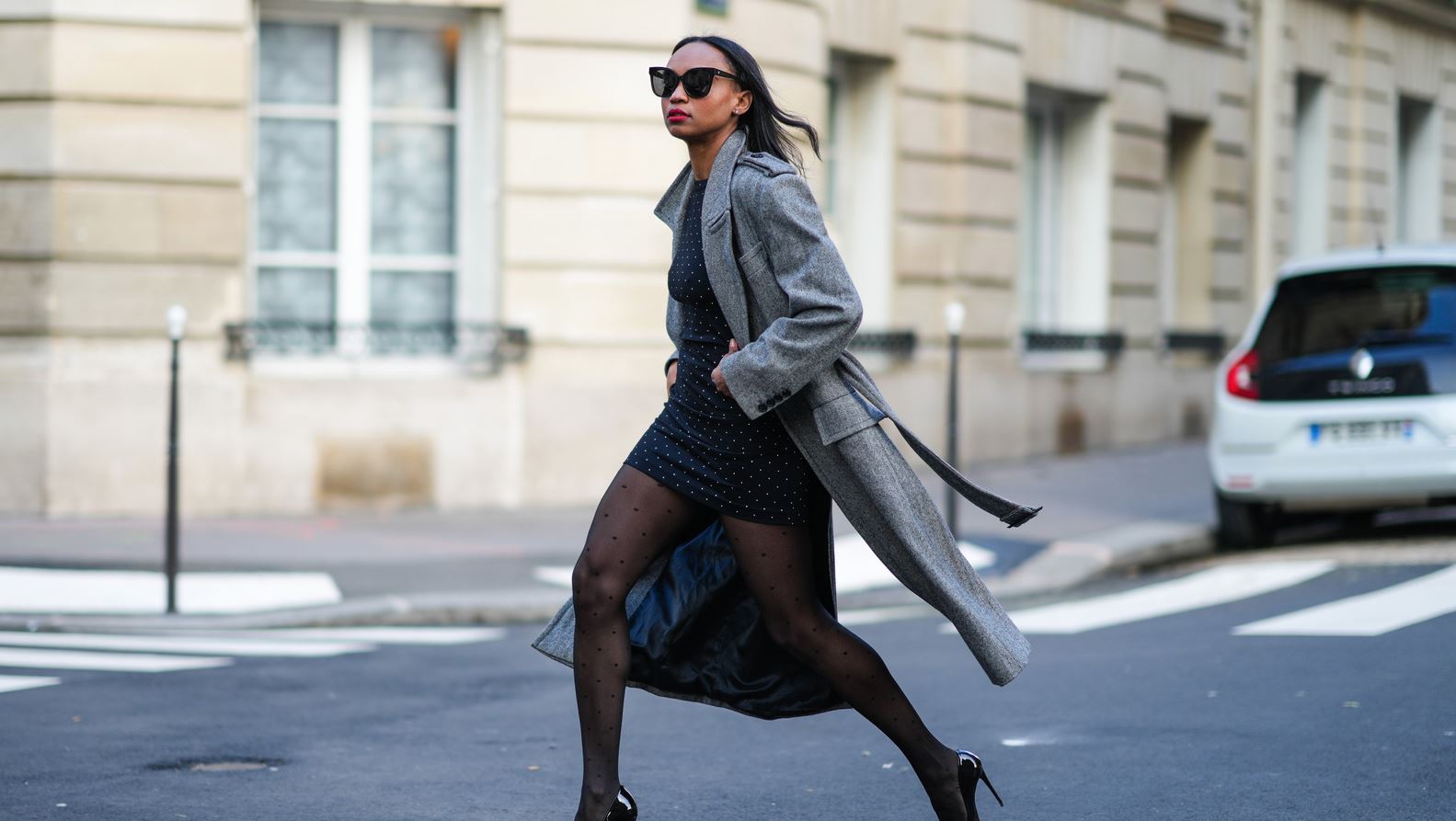
Minimalist Style Redefines Modern Masculinity Through Simplicity and Purpose
The Philosophy Beneath the Surface
Minimalist style begins where noise ends. It is not the absence of detail but the mastery of restraint. The philosophy draws from an understanding that less is not lesser, that refinement lies in intention rather than accumulation. A minimalist wardrobe mirrors clarity of mind. Each garment serves a purpose, contributing to an aesthetic that balances discipline and ease. The modern man no longer seeks validation through excess; he seeks precision through choice. In minimalist fashion, design acts as meditation, stripping away distraction to reveal substance. The clean line of a coat, the absence of unnecessary embellishment, and the calm of neutral tones reflect inner steadiness. Minimalism’s strength lies in its ability to magnify subtlety. The fit of a shirt, the texture of wool, or the curve of a lapel becomes art because attention is no longer divided. This approach nurtures presence. It teaches that the most confident statement often speaks softly. Minimalist style transforms clothing from decoration into dialogue, where silence carries weight and simplicity conveys authority.
The Architecture of Simplicity
Behind every minimalist outfit lies structure. Simplicity is not improvised; it is engineered. The architect of minimalism understands proportion as language. The drape of trousers, the slope of shoulders, and the alignment of seams all express equilibrium. This architectural precision ensures that each element has reason. It removes clutter without removing character. Designers who work within minimalist principles consider negative space as vital as fabric. They balance geometry and motion to create visual calm. The result is form without friction. The man who wears minimalist clothing experiences harmony between body and environment. There is nothing restrictive or ornamental, only coherence. Achieving this clarity demands editing, a skill rarer than creation. Minimalist style depends on judgment, the ability to remove what is unnecessary and preserve what is essential. Through deliberate proportion and purity of line, it teaches visual discipline, reminding us that true sophistication often appears effortless only because it is meticulously composed beneath the surface.
The Palette of Restraint
Color in minimalist style functions as breath, not as noise. The palette favors tones that soothe rather than shout. White, charcoal, navy, taupe, and sand form its foundation, each chosen for versatility and calm. These hues allow the wearer to blend seamlessly into varied settings while maintaining quiet presence. Restraint in color amplifies focus on material and silhouette. When color is used sparingly, it gains gravity. A single piece in muted green or deep burgundy becomes meaningful because it disrupts neutrality with intention. Minimalist fashion invites mindfulness in selection. The absence of vivid contrast encourages appreciation for depth, texture, and light. Shadows matter as much as shade. Neutrals shift character under different illumination, creating dynamic subtlety. The man who embraces such tones learns to see nuance where others see monotony. Color restraint becomes emotional discipline, a reminder that serenity carries its own strength. Through simplicity of palette, minimalism cultivates a visual rhythm that mirrors mental balance.
The Role of Material and Texture
In minimalist style, fabric speaks louder than logos. Material defines depth and authenticity. Wool, cotton, linen, and silk each convey their own cadence. Texture replaces pattern as expression. A matte finish suggests quiet confidence, while a subtle sheen introduces refinement without ostentation. Minimalism relies on tactile harmony. The interplay between smooth leather, soft knit, and structured cotton tells a story of balance. Every piece must feel deliberate. Material also defines longevity. Quality fabrics age with dignity, evolving with the wearer. Minimalist fashion values endurance over novelty, preferring garments that improve with time. Attention shifts from surface to substance. The man who invests in fine fabric invests in experience. He learns the weight of wool and the breath of linen, appreciating the craftsmanship that turns thread into comfort. Minimalist style thus transforms touch into awareness. Texture becomes narrative, guiding perception through detail so quiet that only patience can reveal its beauty.
The Discipline of Fit
Fit determines the success of minimalist dressing. Without excess detail to distract, silhouette becomes central. The clothing must align with the body’s rhythm, neither constraining nor concealing it. Tailoring refines proportion until fabric feels like extension rather than addition. Precision in fit reflects discipline in thought. A well-fitted shirt aligns the shoulders and defines the frame without drawing attention. Trousers fall cleanly, creating uninterrupted lines from waist to shoe. Minimalist design favors fluidity over tension, movement over rigidity. Achieving this harmony demands attention to measurement and posture. The wearer learns self-awareness through fitting, recognizing how stance alters appearance. This process cultivates mindfulness, reminding him that presentation begins with understanding of self. Fit embodies the minimalist principle that control creates freedom. When clothing functions seamlessly with the body, confidence requires no embellishment. The elegance of fit lies not in display but in the serenity of alignment between purpose and form.
The Intersection of Function and Aesthetics
Minimalist fashion succeeds when function and form converge. Every pocket, seam, and closure exists for utility yet contributes to beauty. This integration defines the modern aesthetic. The man who values function understands that practicality enhances sophistication. Jackets with hidden compartments, shoes designed for movement, and fabrics engineered for breathability exemplify innovation born from necessity. Minimalist design transforms daily activity into graceful ritual. It eliminates friction between dressing and living. Technology strengthens this philosophy through lightweight materials, wrinkle resistance, and adaptive fits. These advances align with minimalism’s commitment to efficiency. Beauty is not separate from practicality but its expression. When every element performs its purpose flawlessly, aesthetics arise naturally. This perspective reframes luxury as performance rather than ornament. The minimalist learns that convenience need not compromise class. Function becomes elegance when executed with precision, and the result is style that empowers rather than encumbers.
The Emotional Rhythm of Restraint
Minimalism extends beyond appearance into emotional landscape. Its calm surfaces conceal profound intention. To live and dress minimally requires clarity of values. Each decision becomes mindful. The elimination of excess mirrors mental simplification. This quietness nurtures confidence without arrogance. The man who practices restraint learns satisfaction through presence rather than possession. His wardrobe reflects equilibrium, a state of order that counteracts chaos of modern life. In this rhythm, dressing transforms into reflection. The simple act of choosing a shirt or pair of shoes becomes meditation on identity. Restraint teaches patience, cultivating appreciation for small distinctions that separate good from exceptional. Minimalist style thus becomes emotional architecture, supporting composure in an unpredictable world. It reminds men that refinement is not performance but perspective. Through calm repetition and deliberate choice, restraint reveals the strength of subtle expression and the serenity of balanced existence.
The Influence of Environment and Culture
Minimalist style thrives within modern urban landscapes. Glass buildings, clean interiors, and muted tones of architecture complement its aesthetic. The relationship between environment and clothing becomes reciprocal. A minimalist outfit appears natural against structured spaces because both share geometry and light. Yet minimalism transcends geography. From Tokyo to Copenhagen, it adapts to culture while maintaining universal principles. Japanese philosophy emphasizes harmony and emptiness, while Scandinavian design prioritizes function and simplicity. These influences merge within men’s fashion, creating global language of understatement. Cultural diversity refines rather than disrupts minimalism’s integrity. It absorbs local climate, craft, and rhythm into cohesive identity. The adaptability of minimalist design demonstrates resilience. Whether worn in business districts or creative studios, it communicates sophistication without hierarchy. Environment informs silhouette and layering, proving that simplicity can evolve within any context. Minimalist fashion thrives precisely because it belongs everywhere yet demands nowhere, existing as silent conversation between individual and surroundings.
The Continuum of Clarity
Minimalist style endures because it mirrors the timeless pursuit of balance. Trends fluctuate, but clarity remains constant. The essence of minimalism lies not in fashion but in philosophy, the desire to live with purpose and presence. As technology accelerates and distractions multiply, minimalism offers stability. It distills life to essentials, ensuring every decision carries meaning. The minimalist man views his wardrobe as reflection of his mindset: precise, intentional, and composed. He invests in fewer pieces but chooses with discernment. This practice builds continuity between self and space. Over years, minimalism evolves from aesthetic into identity. It teaches that refinement requires awareness, that simplicity demands courage, and that the purest form of luxury is calm. The continuum of clarity stretches beyond clothing into daily existence, shaping how one moves, speaks, and chooses. Through quiet design and deliberate living, minimalism proves that true sophistication is not built from abundance but from the discipline of knowing exactly what to keep and why.