

Capturing Style Through the Lens of Expression
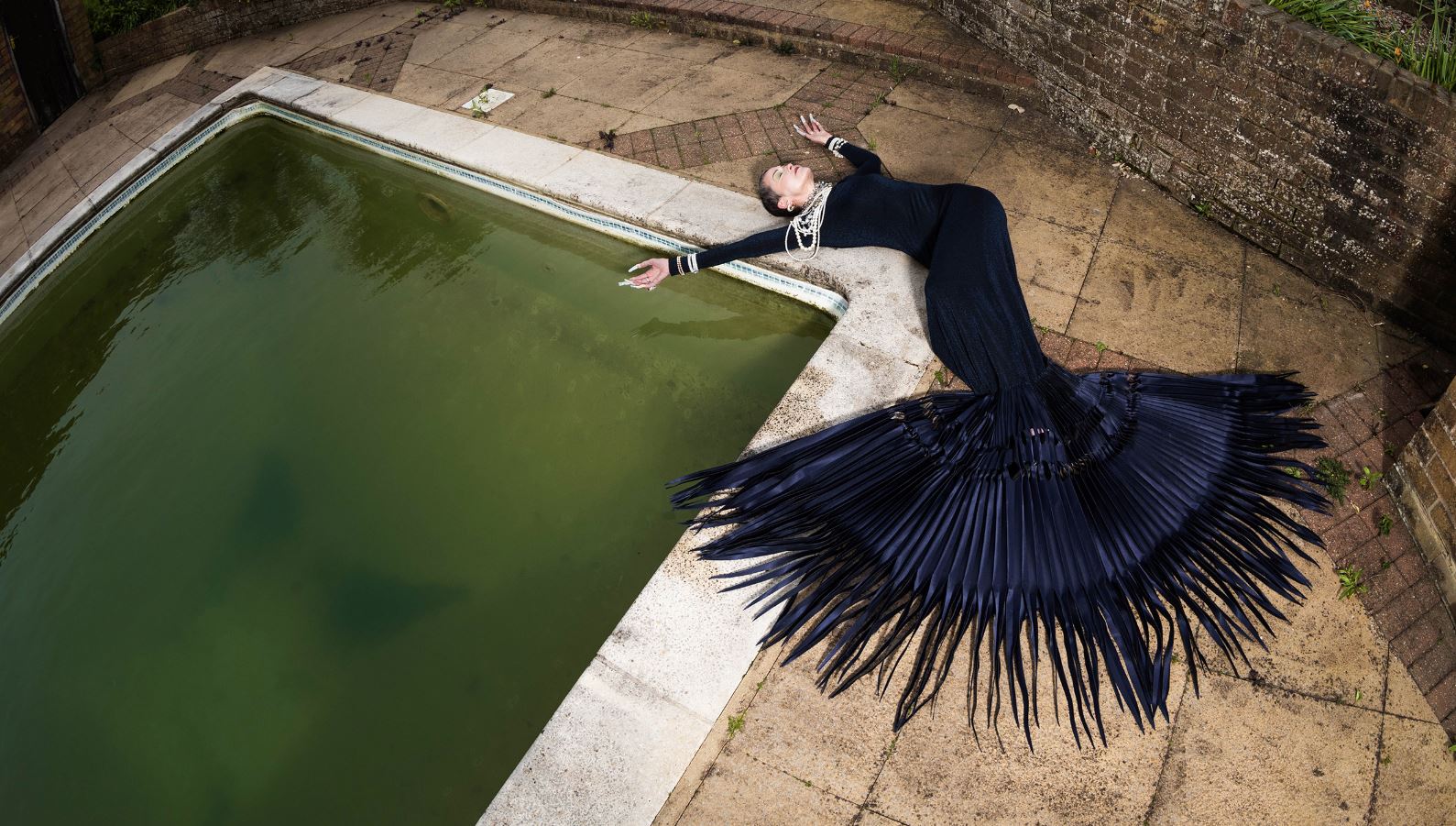
The Role of Fashion Photography in Shaping Modern Men’s Identity and Visual Storytelling
The Evolution of Fashion Imagery
Fashion photography began as a means of documentation but evolved into a language of aspiration. Early photographers captured garments as catalog references, focusing on clarity and precision. Over time, imagery shifted toward mood and message, shaping public perception of style. In the mid-twentieth century, photographers like Richard Avedon and Helmut Newton transformed fashion images into narratives of character and emotion. Their work bridged art and commerce, presenting clothing not merely as product but as an extension of identity. Today, fashion photography functions as both storytelling and marketing. It defines how trends emerge, how men interpret masculinity, and how individuality manifests through visual media. From glossy magazine spreads to digital campaigns, the camera has become a mirror reflecting cultural shifts. The modern photographer must understand not only composition but psychology, translating light, movement, and form into imagery that resonates across generations. Fashion photography thrives on reinvention, maintaining its relevance through the constant redefinition of elegance and authenticity.
The Photographer’s Perspective
Behind every striking image lies the photographer’s ability to perceive nuance. Successful fashion photographers understand proportion, texture, and the emotional weight of detail. They see beyond garments, identifying how posture, expression, and environment contribute to narrative. A photographer’s lens becomes an instrument of interpretation rather than observation. The way light falls across fabric or how contrast divides frame space defines the story told. In menswear, subtlety often dominates, demanding precision over extravagance. The challenge lies in balancing realism and idealism, capturing a moment that feels attainable yet aspirational. Photographers guide models into movements that express personality rather than rigidity. Every image carries intention, shaped by collaboration between stylist, model, and creative direction. This harmony creates authenticity. In a digital age saturated with images, the difference between memorable and forgettable often lies in awareness. The photographer who connects emotion to structure transforms fashion photography from repetition into revelation, reminding viewers that style is not seen but felt.
The Relationship Between Light and Texture
Light defines photography, but in fashion it defines identity. The same garment shifts personality under different illumination. Soft diffused light reveals depth and comfort, while harsh direct light highlights contrast and structure. Mastery of lighting allows photographers to sculpt atmosphere. Studio setups create precision, but natural light introduces unpredictability that adds realism. For menswear, where fabric plays a central role, texture becomes the silent character of each frame. The weave of wool, the sheen of leather, the matte finish of linen, all respond uniquely to light. Understanding this interaction allows photographers to emphasize craftsmanship. Texture tells the story of touch, bridging the visual and tactile worlds. Using shadow strategically can define silhouette, while reflections evoke sophistication. The relationship between light and texture forms the language of material honesty. It communicates quality without exaggeration, showing that true style resides in the harmony between design and environment rather than superficial brightness or effect.
Composition and the Art of Framing Masculinity
In fashion photography, composition determines how masculinity is framed, literally and conceptually. Traditional imagery often portrayed men as stoic or dominant, reinforcing ideals of strength and control. Contemporary photographers challenge this by redefining visual masculinity through openness, vulnerability, and nuance. The arrangement of space within the frame shapes these interpretations. A centered subject conveys confidence, while off-balance framing introduces introspection. The use of negative space allows the viewer to breathe, giving clothing context within emotion rather than dominance. Angles also communicate perspective: a low shot enhances authority, while an eye-level image promotes equality. Clothing amplifies these cues, guiding how power, sensitivity, or elegance are expressed. Composition transforms fashion from object display to emotional storytelling. The photographer becomes a choreographer of visual dialogue, using geometry to balance strength with sensitivity. Through framing, modern fashion photography evolves into a conversation about identity, proving that masculinity can exist comfortably within grace, subtlety, and self-awareness.
Color, Mood, and Emotional Resonance
Color directs emotion within an image. It sets tone before any other element registers. Muted tones evoke calm sophistication, while saturated hues inject energy and immediacy. The interplay of color defines not only mood but narrative rhythm. In fashion photography, each shade serves a purpose. Black symbolizes authority and restraint, while white represents clarity and renewal. Earth tones suggest grounded confidence, whereas metallics imply futurism and innovation. The palette must align with message. A minimalist editorial in monochrome communicates restraint and intellect, while a vibrant campaign in deep reds or blues energizes the viewer. Photographers use contrast to guide attention, ensuring that clothing complements rather than competes with its surroundings. Color also interacts with skin tone and light temperature, influencing perception of texture and shape. Successful color coordination relies on intention, not coincidence. When executed thoughtfully, color transforms photography into emotional language, inviting viewers to feel rhythm through hue and luminosity rather than words or gestures.
The Power of Storytelling Through Imagery
Every photograph holds a narrative, whether whispered or declared. Fashion photography thrives when it connects apparel to story. The modern audience craves authenticity, seeking emotional connection rather than perfection. Storytelling transforms static poses into moments that feel lived. A model walking down a city street suggests movement and purpose, while quiet portraits convey introspection. Props, location, and atmosphere serve as visual context. Even minimal backdrops speak volumes when balanced with the right gesture or gaze. The strongest campaigns use storytelling to express aspiration without detachment. They present lifestyle, not fantasy. Fashion becomes human when narrative integrates seamlessly with design. Photographers and stylists collaborate to build these subtle scripts, blending visual direction with emotional logic. A single image can express independence, ambition, or calm depending on rhythm and detail. Storytelling bridges the gap between brand and individual, turning garments into symbols of identity. In this union of realism and imagination, photography transcends mere presentation and becomes artful communication.
The Digital Revolution and Its Influence on Aesthetics
Technology reshaped fashion photography, democratizing both access and expectation. The rise of digital cameras and editing tools removed barriers once reserved for professionals. Social media transformed consumption, turning every platform into a visual gallery. What once took weeks of post-production now happens in minutes, shifting emphasis from perfection to immediacy. Yet within this speed lies both freedom and challenge. Digital clarity exposes details once softened by film, demanding greater attention to texture and tone. Algorithms influence visibility, guiding photographers to balance artistry with audience demand. The aesthetic has evolved toward realism blended with refinement. Natural lighting and candid moments replace heavily staged compositions, aligning with the public’s desire for authenticity. However, editing remains crucial, serving not to distort but to refine. The digital era challenges photographers to preserve integrity while navigating trends. True mastery lies in adaptability, combining classic technique with evolving technology to maintain emotional depth within a culture of constant visual consumption.
The Collaboration Between Model and Photographer
The relationship between model and photographer forms the emotional core of every session. Trust transforms direction into expression. A photographer must read energy, adjusting guidance to each individual’s comfort and strength. Some models thrive on movement, others on stillness. Communication builds rhythm, turning technical sessions into creative partnerships. The best images arise from mutual understanding rather than rigid instruction. In menswear shoots, this collaboration defines tone. Whether projecting confidence, ease, or introspection, authenticity emerges only when performer and observer align. The camera becomes an extension of dialogue. Photographers must learn to encourage without control, offering feedback that enhances rather than dictates. Lighting setups, poses, and wardrobe choices evolve dynamically through shared feedback. The result is an image alive with emotion rather than constructed appearance. Collaboration teaches humility. It reminds both artist and subject that beauty grows from connection, not hierarchy. Each photograph becomes evidence of trust captured permanently in light and shadow.
Fashion Photography as Cultural Reflection
Fashion photography mirrors culture while influencing it simultaneously. Every image encapsulates a fragment of societal value, aspiration, and transformation. It tells the story of how style interprets time. From the structured poses of the past to today’s candid realism, the medium adapts alongside human expression. Photographers become chroniclers of change, translating evolving definitions of beauty, identity, and power into composition. In men’s fashion, this role becomes particularly meaningful. Images once built around dominance now celebrate diversity, vulnerability, and authenticity. Each generation redefines elegance through its collective gaze. The modern photographer stands at the intersection of art, commerce, and sociology. Their work not only sells clothing but shapes perception, bridging creativity with commentary. As fashion evolves, photography remains its most faithful companion, reminding us that style is never only about appearance. It is a reflection of awareness, context, and the pursuit of meaning through visual form. The lens does not simply capture; it interprets the essence of time itself.