

Fragrance Rules for Men Who Care About Detail
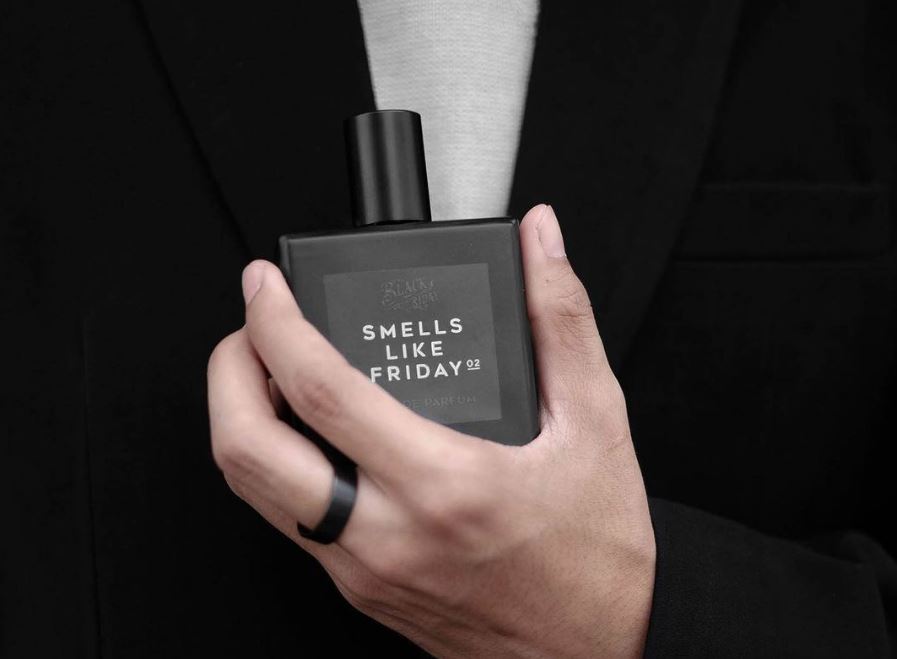
Understand, Select, and Wear Fragrances That Define Modern Masculinity
The Power of Scent in Men’s Style
Fragrance is more than an accessory. It is the invisible layer that completes a man’s presence. Clothing shapes appearance, but scent shapes memory. People remember a man who smells good because his fragrance lingers long after he leaves the room. A refined scent tells a story of taste, composure, and discipline. It reveals effort without shouting for attention. In today’s culture of visual presentation, smell often goes unnoticed, yet it holds immense power. It builds confidence before an interview, adds intrigue during an evening out, and offers reassurance through familiarity. Fragrance connects directly to emotion, influencing how others perceive personality and how a man perceives himself. Understanding its impact means viewing scent as an integral part of self-expression. When worn with restraint and consistency, fragrance becomes a quiet trademark, communicating refinement, maturity, and self-awareness in every interaction.
Understanding Fragrance Composition and Notes
Every fragrance tells a story through structure. It is built from three stages called notes, each unfolding over time. The top notes form the introduction, bright and fleeting, lasting just minutes. These often include citrus, herbs, or light fruits, drawing immediate attention. As they fade, the middle notes, or heart, emerge. This layer carries the essence of the fragrance and defines its personality. Common heart notes include spices, florals, and woods that balance freshness with warmth. Finally come the base notes, the foundation that lingers for hours. Ingredients like amber, leather, musk, and sandalwood create depth and endurance. This progression from top to base mirrors the rhythm of human interaction: first impression, lasting connection, final memory. Recognizing this helps a man select fragrances that complement both short encounters and long events. Understanding notes transforms perfume from mystery into strategy, allowing each scent to serve its intended purpose.
Fragrance Families and How They Reflect Personality
Fragrance families organize scents into recognizable identities. Each family carries a mood, just as colors express emotion. The citrus family offers energy and freshness, ideal for morning wear or hot climates. It signals optimism and movement. The woody family brings grounded sophistication with cedar, vetiver, and sandalwood, perfect for business environments or evening events. Aromatic scents combine herbs and spices with natural ease, representing balance and quiet confidence. Oriental or amber fragrances introduce warmth and sensuality through notes like vanilla, tobacco, and resins, often chosen for formal occasions or romantic settings. Fresh and aquatic compositions reflect simplicity and modernity, pairing clean tones with subtle masculinity. Selecting from these families helps align scent with personality. A minimalist might gravitate toward crisp citrus or aquatic blends, while an adventurous spirit may prefer smoky or spicy complexity. Matching mood with fragrance ensures authenticity and prevents overstatement.
Choosing the Right Fragrance for Different Settings
One scent cannot fit every occasion. Just as a man would not wear the same shoes to the gym and a wedding, fragrance must adapt to context. Workplace settings benefit from subtlety. Light, clean scents with citrus, green, or soapy notes create professionalism without distraction. For social gatherings, aromatic or woody scents project confidence and warmth. Evening events invite richer, more sensual compositions such as amber or oud. Season also influences choice. Summer favors light, crisp tones that breathe with heat, while winter supports denser blends that comfort against cold air. Formal occasions reward restraint, one or two sprays on pulse points, while casual outings allow more freedom. Understanding context elevates awareness. A well-chosen fragrance suits the moment instead of overpowering it. This thoughtfulness distinguishes men who wear scent for themselves and those who wear it for attention. True style always balances expression with respect for atmosphere.
Application Techniques and Layering for Lasting Effect
Fragrance performance depends as much on technique as on formulation. Applying correctly maximizes effect while preserving subtlety. Skin holds fragrance best when clean and hydrated. Applying immediately after showering locks scent into moisture. Target pulse points where warmth activates the aroma: neck, wrists, chest, and behind ears. Two to four sprays are usually enough. Overapplication flattens complexity and can overwhelm nearby people. Avoid spraying clothes directly, as fabric can alter notes or stain. Instead, spray once into the air and walk through for even diffusion. Layering products enhances duration. Using a matching body lotion or deodorant creates a consistent foundation, while combining complementary scents adds individuality. For example, pairing citrus with wood introduces contrast without conflict. Proper layering demands restraint, too many competing elements confuse the senses. A refined routine emphasizes clarity and intention, turning fragrance into a personal signature rather than background noise.
How to Test and Evaluate Fragrances Before Buying
Testing fragrance requires patience and awareness. Never judge scent on the first spray. Alcohol and top notes dominate the opening, but true character reveals itself only after the dry-down stage, roughly twenty minutes later. Begin by applying samples on skin, not paper strips, because body chemistry alters development. Limit trials to three at a time to avoid fatigue. Take notes on how each evolves throughout the day, some fade quickly, others deepen with warmth. Evaluate how it feels, not just how it smells. A fragrance that complements lifestyle should feel natural, blending into movement rather than sitting heavily. Always test in real conditions, including outdoors, to understand projection and longevity. When purchasing, favor quality over marketing hype. Designer fragrances often emphasize accessibility, while niche or artisan houses focus on craftsmanship. Choosing wisely means finding balance between distinctiveness, comfort, and durability, creating a scent that belongs uniquely to its wearer.
Storage, Care, and Longevity of Fragrances
Fragrances are delicate compositions that require proper care. Heat, light, and oxygen accelerate deterioration, altering color and scent balance. Always store bottles upright in cool, dark environments away from humidity. The bathroom, despite convenience, is the worst place due to temperature fluctuations. A bedroom drawer or closet shelf preserves stability. Keep caps tightly closed to prevent evaporation. Avoid shaking bottles, as agitation introduces air bubbles that break molecular integrity. High-quality fragrances can last several years when preserved properly, though natural compositions without preservatives may age faster. Traveling with fragrance requires protective cases or travel atomizers to maintain consistency. Rotation also extends lifespan, using different scents periodically prevents oxidation through exposure. Respecting these details reflects appreciation for artistry. A fragrance, when maintained correctly, can remain as vivid years later as the day it was purchased, maintaining both memory and investment for the modern collector.
Building a Fragrance Wardrobe for Every Season and Mood
Creating a fragrance wardrobe parallels building a clothing collection. Each scent plays a role suited to time, place, and emotion. Begin with three categories: everyday wear, formal wear, and leisure. Everyday fragrances emphasize freshness and approachability with notes of citrus, vetiver, or light woods. Formal options incorporate deeper, more layered compositions, amber, leather, or spices, for presence during events and dinners. Leisure fragrances offer comfort and relaxation through musky or green profiles ideal for weekends. Seasonal rotation refines versatility. Spring invites floral and herbal scents, summer demands crisp marine or citrus notes, autumn favors spices and tobacco, and winter highlights warmth from oud or vanilla. This diversity prevents fatigue and showcases adaptability. A curated wardrobe communicates intention. It tells the world that a man values detail and knows how to adapt his scent to environment and season. Variety, not quantity, defines mastery in fragrance selection.
Psychology, Memory, and the Emotional Impact of Scent
Scent connects directly to emotion and memory more powerfully than any other sense. Neuroscience explains this through the olfactory bulb, which links smell to memory and emotion centers in the brain. One whiff of a familiar note can recall moments long forgotten, a childhood environment, a loved one, or a specific era. This link gives fragrance emotional significance. Choosing a scent intentionally can influence confidence and mood. Bright, citrus scents energize mornings, while woody and amber compositions calm nerves in stressful settings. Wearing a consistent fragrance during important milestones builds associative memory, making it part of one’s identity. For others, the smell becomes synonymous with presence, reinforcing recognition beyond visuals. Understanding this power allows fragrance to become a tool for mental balance and social influence. When chosen with purpose, scent strengthens emotional clarity, becoming more than aroma, it becomes memory in motion.
Fragrance as a Reflection of Modern Masculinity
Fragrance today transcends the outdated idea that scent is secondary to clothing. It has become a cornerstone of personal identity for men who value detail and self-presentation. A well-chosen fragrance complements grooming, elevating both style and demeanor. The ritual of applying it each morning reinforces care and mindfulness. It teaches discipline through consistency and restraint. Modern masculinity is not defined by strength alone but by awareness, the understanding that refinement and self-expression coexist. A man’s fragrance should mirror his personality: balanced, composed, and confident without arrogance. It should invite curiosity rather than demand attention. Over time, a signature scent becomes as recognizable as a voice. It speaks when silence fills the room and lingers as quiet memory when the moment ends. Mastering fragrance is mastering subtle influence, the ability to leave an impression through presence rather than words, proving that true style is never only seen, it is felt.