

Concrete Threads of Expression
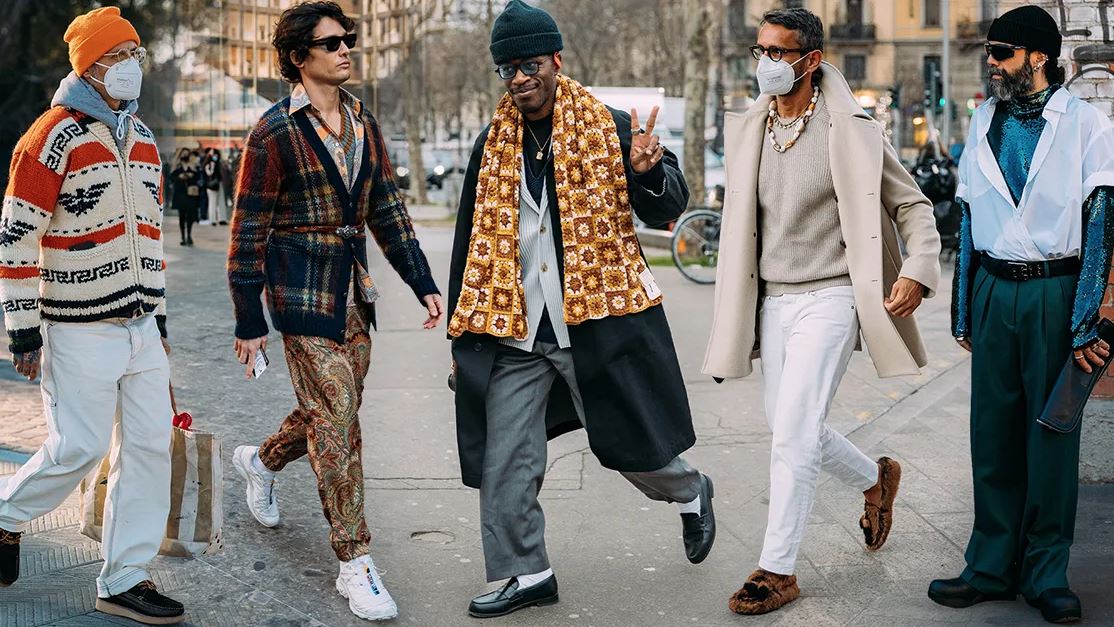
Modern Streetwear Transformed from Rebellion to Cultural Identity
The Genesis of the Movement
Streetwear began as a whisper on the edges of culture, born from communities that expressed defiance through fabric rather than speech. It started in skate parks, hip-hop circles, and underground art scenes where clothing became language. Oversized tees, distressed denim, and bold graphics served as declarations of independence. The early architects of streetwear did not seek mainstream attention; they built tribes through authenticity. The roots of this movement stretch into the 1980s and 1990s when brands like Stussy and Supreme turned everyday garments into emblems of belonging. What began as rebellion matured into recognition. Each design reflected an unspoken social contract between individuality and collective identity. The power of streetwear lies in its accessibility. Anyone could wear it, yet no one could wear it the same way. That contradiction became its essence. It democratized fashion, pulling elegance from exclusivity and grounding it in the rhythm of daily life. From sidewalks to runways, the spirit of resistance found a new form in comfort and confidence, merging the visual and the visceral into one coherent style language.
The Evolution of Attitude
As streetwear evolved, attitude remained its currency. It shifted from anti-establishment to avant-garde without losing its roots in self-expression. The energy that once challenged authority now collaborates with it, yet the authenticity of rebellion endures. Modern streetwear reflects the paradox of pride and humility, merging confidence with effortlessness. Designers reinterpret rebellion as refinement. Hoodies crafted from cashmere, sneakers constructed with precision engineering, and jackets infused with technical fabrics all illustrate the transformation of attitude into aesthetic sophistication. What was once defiant became desirable because it spoke to freedom, not hierarchy. The wearer no longer aims to shock but to signify awareness. Streetwear’s evolution represents a maturation of style where comfort meets conviction. The boundary between luxury and leisure has faded, giving rise to a new form of elegance that thrives on versatility. The modern man wears streetwear not as rejection of tradition but as evolution of it, expressing that authenticity and ambition can coexist within the same silhouette.
The Influence of Music and Movement
Music has always served as the heartbeat of streetwear. Hip-hop, punk, and electronic scenes each contributed rhythm to its identity. Artists wore brands that aligned with their message, turning style into sound and sound into style. From Run-D.M.C.’s Adidas tracksuits to Kanye West’s minimalist design language, music shaped perception of what streetwear could be. Each subculture influenced fabric choices, silhouettes, and even the pace of trend cycles. Streetwear’s rhythm mirrors the tempo of modern life, pulsating with the immediacy of social media and the improvisation of street performance. The link between movement and material is undeniable. Dance, skateboarding, and parkour all demanded clothing that supported agility. Function birthed fashion. Stretch fabrics, breathable knits, and utilitarian details allowed expression without restriction. This synergy between rhythm and design redefined luxury as accessibility. Music and motion gave streetwear its perpetual relevance, reminding every generation that style is meant to move with the body, not imprison it.
The Architecture of Collaboration
Collaboration reshaped the architecture of modern streetwear. Where exclusivity once dominated luxury, partnership now defines innovation. Streetwear brands forged alliances with high-end fashion houses, merging street credibility with couture craftsmanship. Louis Vuitton’s collaboration with Supreme broke barriers that once separated luxury from the streets. Adidas and Prada, Nike and Off-White, each partnership created new vocabulary for fashion dialogue. Collaboration introduced a democratic form of creation where boundaries blurred between disciplines. Artists, athletes, and designers became co-authors of cultural identity. These collaborations represent more than commercial ventures; they reflect the hybrid nature of modern masculinity, uniting creativity with pragmatism. They demonstrate that style thrives when conversation replaces competition. Each collaboration tells a story of evolution: rebellion refined through craftsmanship, luxury humanized through street perspective. This architecture of partnership continues to define how modern men view status, not as separation but as connection through shared values of innovation and authenticity.
The Rise of Utility and Function
Modern streetwear integrates purpose into aesthetic. Cargo pants, crossbody bags, and modular outerwear highlight a growing preference for functionality. The rise of utility mirrors a shift in modern priorities: mobility, adaptability, and readiness. Streetwear evolved from statement to strategy. Each pocket, strap, and zipper carries intention. Technical fabrics such as Gore-Tex, ripstop nylon, and recycled polyester blend practicality with sophistication. The urban landscape demands resilience, and modern streetwear answers through form engineered for movement. The balance of utility and beauty defines a new kind of luxury, one measured by experience rather than exclusivity. The man who wears such garments communicates preparedness for the fluid pace of life. Utility-driven design blurs the line between fashion and survival, acknowledging that true style adapts to circumstance. The appeal lies not only in appearance but in the narrative of purpose. Functional design becomes metaphor for modern living: efficient, flexible, and unpretentious. In this landscape, fashion no longer decorates existence but enhances it.
The Digital Pulse of Streetwear
The digital age transformed streetwear from subculture into global phenomenon. Online communities amplify voices that once existed only in local circles. Instagram, TikTok, and online drops redefine how trends emerge and dissolve. Scarcity, once controlled by geography, now operates through timing and algorithm. Digital culture introduced immediacy, but it also cultivated intimacy between creators and consumers. Limited releases generate anticipation, and social platforms turn personal expression into collective experience. The virtual realm allows new designers to challenge established power structures without traditional gatekeepers. Digital fashion shows and augmented reality fittings extend the experience of clothing beyond physical boundaries. Technology not only accelerates visibility but deepens participation. Streetwear thrives in this environment because it reflects the essence of connection. The man who wears it is both audience and creator. In digital culture, individuality becomes amplified through sharing, proving that community and identity can coexist without contradiction. Streetwear’s future lives online, but its soul remains grounded in authenticity and narrative.
The Intersection of Gender and Expression
Modern streetwear transcends gender by dissolving distinctions that once governed fashion. Oversized cuts, neutral palettes, and unisex silhouettes replace binary definitions with fluid interpretation. This shift mirrors broader social change, where clothing becomes expression rather than category. Men embrace softness in shape and color without sacrificing strength, while women adopt structure without forfeiting ease. The blending of gender lines enriches creativity, allowing freedom of identity. Designers now prioritize inclusivity, producing garments that reflect shared experience instead of separation. This inclusivity reshapes masculinity itself, expanding it beyond conformity. Streetwear becomes language for individuality unconfined by stereotype. The comfort of loose fit and the adaptability of neutral tones create harmony between body and imagination. The intersection of gender and fashion reveals that strength resides not in restriction but in openness. As boundaries fade, style becomes a universal dialogue that celebrates diversity through simplicity, proving that authenticity has no label other than sincerity.
The Philosophy of Everyday Elegance
Streetwear once belonged to rebellion, but it has matured into philosophy. It teaches that elegance can exist in familiarity. A hoodie paired with tailored trousers, or sneakers worn beneath a structured coat, defines the contemporary balance between refinement and realism. Modern men value comfort not as escape from style but as its foundation. This blending of casual and formal rewrites dress codes for a generation that measures confidence through authenticity rather than conformity. Everyday elegance emerges through attention to proportion, texture, and tone. Simplicity becomes sophistication when executed with intent. The modern wardrobe reflects lifestyle, fluid between work, travel, and leisure. Streetwear harmonizes these transitions, proving that adaptability itself is elegance. The philosophy is quiet yet powerful: quality without pretension, identity without disguise. In merging comfort and craft, modern streetwear redefines success as self-knowledge. It embodies the belief that true luxury lies in effortlessness achieved through purpose, and that the modern man dresses not to impress but to exist comfortably within his own rhythm.
The Continuum of Innovation
Modern streetwear continues to evolve because it listens to culture rather than dictating it. Each season reinterprets old codes with new relevance, reflecting a world in constant motion. Sustainability joins creativity as a guiding force, urging designers to craft pieces that endure in both quality and meaning. Upcycled materials and local production replace excess with responsibility. The movement moves forward through collaboration, inclusivity, and technological exploration, yet it remains anchored in authenticity. Streetwear’s journey from rebellion to respect illustrates that style mirrors society’s growth. It began as a whisper of individuality and now resonates as a chorus of shared identity. The next era will merge digital innovation with human craftsmanship, creating garments that bridge virtual and physical worlds. In this continuum, every hoodie, sneaker, and jacket becomes part of a larger narrative about resilience and reinvention. Modern streetwear stands as testament to the enduring power of creativity, showing that fashion’s most profound revolution is not about trend but about truth lived through design.