

Choose Jewelry That Matches Your Personality
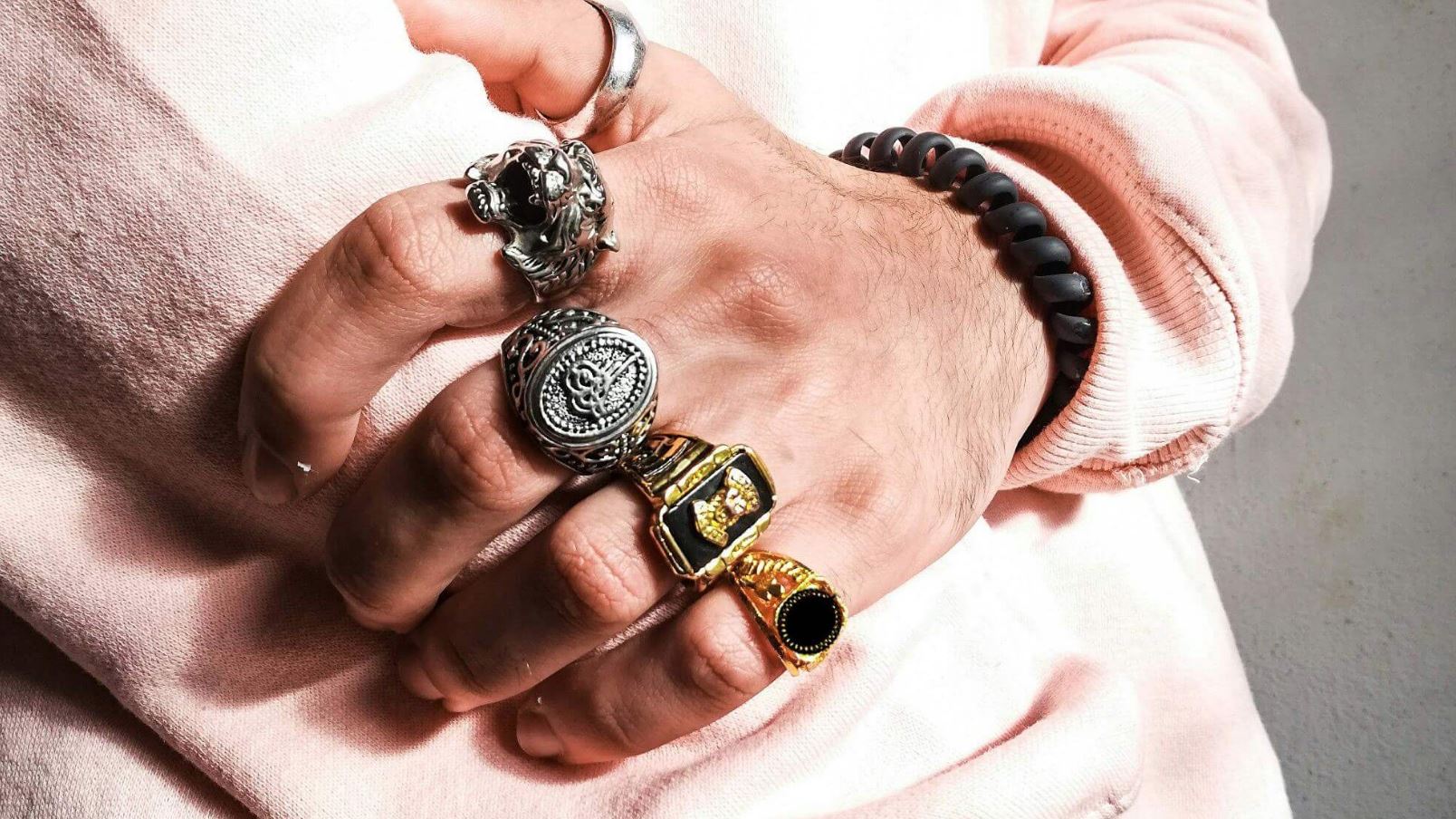
Elevate Personal Style and Presence by Choosing Jewelry That Balances Elegance and Identity
The Changing Perception of Men’s Jewelry
Jewelry for men has experienced a remarkable transformation through history. Once considered purely symbolic or functional, it now occupies a central position in modern fashion. Ancient warriors wore rings as seals of authority, traders adorned necklaces for protection, and kings displayed precious metals to reflect lineage and wealth. In today’s world, these traditions have evolved into forms of personal expression and refined taste. Modern jewelry no longer defines status alone; it defines personality. Minimalist trends have encouraged subtlety over flashiness, inspiring men to adopt designs that reflect precision, strength, and balance. This evolution has opened new creative ground where craftsmanship meets identity. No longer limited to special occasions, jewelry now plays a role in everyday life. A sleek bracelet or understated ring can communicate professionalism during meetings and individuality on weekends. Men have begun reclaiming jewelry as a language, a way to express self-assurance without saying a word. It symbolizes awareness, maturity, and the confidence to appreciate details that others overlook. By recognizing jewelry as part of daily presentation rather than ornamentation, men embrace both legacy and progress, creating a bridge between heritage and modern design.
Understanding the Power of Subtle Accessories
The essence of men’s jewelry lies in the art of understatement. Each accessory should complement rather than compete with the overall look. A single chain or bracelet can refine an outfit when worn with intention. Subtlety draws attention through precision, not excess. The goal is not to fill the body with accessories but to select pieces that strengthen balance and presence. Matching jewelry to tone and setting ensures harmony. Silver, for example, enhances cool shades like navy or charcoal, while gold harmonizes with beige and brown tones. Matte finishes create modest depth, while polished metals communicate clarity and sophistication. The rule of proportion also applies. Small wrists pair better with lighter, slimmer designs, whereas larger builds can carry thicker textures confidently. Accessories must work together like instruments in an orchestra, distinct yet unified. A leather bracelet paired with a metal watch creates rhythm without noise. Subtle jewelry also enhances nonverbal communication. It mirrors thoughtfulness and composure, reflecting care in both style and conduct. Men who understand subtlety project quiet confidence. They let design speak in whispers, ensuring every detail supports authenticity rather than performance.
Rings as Symbols and Statements
Among all jewelry, rings carry the deepest emotional and cultural history. From ancient seals to family crests, rings have served as emblems of loyalty, victory, and belonging. In the modern age, they remain symbols of commitment, style, and personality. A well-chosen ring captures attention not through size but through precision. Gold rings express warmth and timeless luxury, while silver conveys neutrality and calm. Titanium and tungsten project resilience and innovation, appealing to men who appreciate contemporary engineering. Engraved signet rings, once exclusive to aristocracy, now offer personal meaning through initials or symbols. They merge tradition with individuality. Minimalist bands remain popular because they fit seamlessly with both formal and casual wardrobes. Texture plays a role too: brushed finishes mute shine for understated elegance, while polished edges create refined contrast. Some men choose stacked rings to express creativity, though restraint remains essential to preserve proportion. A ring worn daily becomes part of identity. It develops character as it collects subtle marks over time, turning metal into memory. Through craftsmanship and purpose, the modern ring continues to represent both strength and subtlety in equal measure.
Necklaces and Chains That Frame Character
Necklaces have transcended eras and cultures, adapting from royal symbols to contemporary essentials. Today, they offer one of the most versatile ways to define men’s style. A necklace frames the upper body, connecting face and posture, guiding the eye naturally. Slim chains sit comfortably under shirts, creating structure without distraction. Thicker ones add edge, suitable for streetwear or layered looks. Materials shape personality: gold evokes heritage, silver suggests precision, and black stainless steel introduces modern rebellion. Pendants, when worn, should reflect personal connection, something that tells a story, not a trend. Crosses, initials, and geometric symbols remain timeless because they blend significance with simplicity. The right length influences balance. Short chains flatter high collars, while mid-length styles pair with open shirts or crew necks. Even subtle adjustments in placement can change perception from formal to relaxed. The art of wearing necklaces lies in proportion and purpose. They should never dominate attire but integrate with it. When selected with care, a chain becomes more than decoration; it becomes an extension of confidence and identity, creating silent symmetry between craftsmanship and character.
Bracelets and the Art of Wrist Expression
The wrist provides an ideal stage for detail. Bracelets accentuate motion and energy, reflecting the wearer’s rhythm. The options are limitless, metal, leather, woven cords, or combinations of each. Metal bracelets like steel and titanium embody strength and precision, while leather communicates texture and authenticity. For formal occasions, thin designs complement a watch without overwhelming it. For casual wear, stacked or mixed materials can enhance depth and contrast. The most refined bracelets appear effortless, almost natural extensions of personality. Fit matters as much as design. Loose bracelets disrupt movement, while overly tight ones restrict comfort. A bracelet should sit close to the skin, following the wrist’s contour. Over time, it develops familiarity, becoming personal like a second skin. Proper maintenance is essential. Metal should be cleaned regularly, and leather conditioned to prevent drying or cracking. The bracelet’s charm lies in its interaction with daily activity, visible yet subtle, tactile yet refined. It complements gestures and signals presence in conversation. A man’s bracelet should feel personal enough to represent individuality but refined enough to adapt to every occasion.
The Timeless Role of Watches
No accessory embodies precision and prestige like a watch. Its value goes beyond function. A watch reveals taste, structure, and appreciation for craftsmanship. In a digital world filled with screens, mechanical watches preserve the art of patience and design. The tick of gears reflects continuity and reliability. Leather-strapped watches suit professional settings, exuding warmth and character, while stainless steel cases project resilience. Minimalist faces enhance versatility, allowing one piece to transition from boardroom to dinner. Chronographs appeal to men who admire mechanical complexity, while diver models convey adventure and endurance. Smartwatches, on the other hand, offer practicality but risk losing the soul of tradition. The art lies in balance, choosing watches that match both personality and wardrobe. Cleaning, timely servicing, and mindful storage ensure longevity. The modern man views his watch not merely as an instrument but as a legacy piece. It measures more than hours; it measures consistency and ambition. Each scratch, polish, and adjustment tells a story of time lived fully. A well-chosen watch defines rhythm and leaves an impression as enduring as the metal from which it was forged.
Matching Jewelry with Outfits and Occasions
Jewelry gains meaning through context. Every occasion, from work meetings to social events, calls for different tones. Professional environments demand discretion. A classic watch, simple ring, or cufflink adds subtle sharpness without distracting from formality. For casual wear, texture becomes the star. Beaded bracelets, brushed metals, and leather cords give character to denim or linen outfits. Evening events invite bold contrasts, thicker chains or polished rings paired with dark suits. Coordination requires attention to color and material. Avoid mixing too many metal tones; gold and silver can work together only if their finishes complement each other. Harmony defines sophistication. Layering pieces of different thickness can add depth, but every layer must serve purpose. Even eyeglass frames or belt buckles influence the overall metallic palette. The art of pairing lies in restraint. Each piece should appear intentional, not improvised. A man’s jewelry wardrobe should feel cohesive, where every item aligns with the tone of the setting. When done right, accessories blend seamlessly into style, revealing effort without obvious display. This integration reflects awareness, a man who knows how to adapt without losing identity.
Care, Longevity, and the Value of Craftsmanship
Maintaining jewelry preserves not only its appearance but also its meaning. Metals tarnish, stones lose luster, and leather ages if neglected. Cleaning becomes part of appreciation. Use soft cloths and mild solutions to remove residue, keeping polish alive. Avoid overexposure to sunlight and chemicals, especially on plated or natural materials. Store jewelry individually to prevent friction and scratches. Wooden boxes or lined pouches offer ideal protection. Watches require periodic maintenance, including lubrication and inspection to ensure precision. Silver and gold benefit from professional cleaning once or twice a year, while stainless steel requires little more than gentle wiping. Caring for jewelry mirrors discipline, it reflects consistency and patience. Craftsmanship deserves respect beyond ownership. Each piece is the result of countless hours of artistry. By maintaining it, a man honors the hands that shaped it. Over time, jewelry develops patina, carrying history rather than wear. A well-preserved bracelet or ring can outlast generations, transforming from accessory to heirloom. Preservation turns style into legacy, allowing elegance to age gracefully and tell stories long after trends fade.
Confidence Through Subtle Refinement
Jewelry is not about excess or decoration. It is about direction. It refines perception, grounding appearance in purpose. The modern man who wears jewelry well understands that confidence begins in detail. Every polished edge, every glint of metal represents composure. Accessories complement presence without overwhelming it. The power of jewelry lies in knowing balance, how to merge personality with precision. True refinement appears effortless because it results from awareness, not abundance. A ring on the hand or a chain beneath a shirt speaks of discipline and subtle charm. These objects bridge style and substance, connecting external expression with internal assurance. In relationships, business, or self-presentation, jewelry functions as quiet reinforcement of credibility. It demonstrates care, patience, and individuality. The modern gentleman builds his image not on extravagance but on control. When jewelry aligns with personality, it becomes invisible yet unforgettable. It strengthens aura rather than silhouette. The real beauty of men’s jewelry lies in what it represents: the commitment to refinement, the respect for craft, and the courage to express character through simplicity.