

A Place Where Time Still Has Style
The Social Ritual, Skill, and Style Behind Modern Barbershop Culture
The Heritage of the Barbershop
The barbershop holds a legacy that extends far beyond grooming. In ancient times, barbers were among the most respected members of society, often serving as healers and confidants. The symbol of the red, white, and blue pole once represented their dual roles as both groomers and surgeons. Over the centuries, the barbershop evolved into a cultural institution, particularly within urban communities, where it became a gathering place for conversation and identity. A man could walk in with the weight of the week on his shoulders and walk out renewed, carrying not just a sharper look but a lighter mind. In neighborhoods across the world, the barbershop served as a constant, a familiar rhythm of clippers and laughter that grounded people in routine. Its enduring appeal lies in its simplicity, a chair, a mirror, and a trusted hand guiding transformation. The barbershop is not merely a business but a story of human connection written in scissors and style.
Even as times have changed, the essence of the barbershop has remained intact. In every era, from the early twentieth century to today, it has adapted to reflect shifting tastes and values. When men sought sleek pompadours, barbers learned precision styling. When fades and textured crops became trends, they evolved again. The continuity of craft ensures that each generation inherits both skill and purpose. In every clean cut, one can trace the lineage of centuries of artisans who believed that appearance could shape dignity and self-worth. The barbershop’s endurance proves that style is not fleeting; it is a reflection of personal pride that transcends fashion cycles.
The Ritual of the Cut
A visit to the barbershop is as much about experience as it is about aesthetics. The ritual begins the moment the chair reclines and the sound of a clipper hums through the air. The barber wraps a crisp cape around the client, signaling the beginning of transformation. There is something deeply grounding about the act itself, something that connects the senses to memory. The smell of shaving cream, the faint sting of aftershave, and the gentle rhythm of the scissors form a kind of symphony that every man recognizes. The process demands patience and precision, and through it, time seems to slow down. It is one of the few modern experiences that still encourages stillness and trust.
Every barber understands that their craft extends beyond trimming hair. They are caretakers of confidence. With each motion, they restore a sense of order and composure. The ritual concludes with the brush of powder on the neck, the removal of the cape, and the first glance in the mirror. The reflection is more than skin-deep; it represents renewal. That small yet powerful ritual is why men return not just for the haircut, but for the feeling it brings, a moment of control, calm, and quiet pride amid the rush of daily life.
Conversation and Brotherhood
Inside the barbershop, the art of conversation thrives. The topics shift effortlessly from humor to current events, sports, and culture, yet beneath every exchange lies a sense of camaraderie. The barbershop serves as a safe space where ideas can be shared without pretense. It is where the community breathes. For many men, this atmosphere offers an outlet rarely found elsewhere, a setting that values dialogue as much as grooming. Regulars come not just for the fade or trim but for the energy of familiarity. The banter, the laughter, and the shared silence between sentences all weave into the tapestry of the experience.
These conversations build lasting relationships between barber and client. Over time, the barber becomes more than a stylist; he becomes a confidant and listener. Personal victories, struggles, and stories often unfold during appointments. Within those walls, the hierarchy of status fades. The chair equalizes everyone. This environment fosters an unspoken respect that defines barbershop culture. It is not just about image, it is about identity. The warmth of these exchanges transforms the shop into something more enduring than any trend: a brotherhood that transcends age, background, and profession.
Craftsmanship and Skill
Barbering is a balance between precision and creativity. A skilled barber understands that every head of hair presents a new canvas. Before the first snip, he studies the natural growth, face shape, and texture, planning the cut the way a painter envisions the strokes of a brush. Each movement must be deliberate. The fade, the taper, and the line-up are all measured with mathematical precision. The mastery lies in consistency, in the ability to make each haircut appear effortless even though it requires discipline and control. The best barbers train for years, learning how to blend technique with intuition. Their tools are extensions of their hands, and their movements reflect the confidence born from repetition.
Beyond technical expertise, the modern barber is also a stylist, consultant, and artist. They must stay informed about evolving trends, from natural looks to modern skin fades, and adapt to the personality of every client. A true barber knows that the final result is not simply a reflection of fashion but a statement of individuality. Their pride lies not only in how clean a cut appears, but in how the client feels after leaving the chair. This craftsmanship honors a lineage of artisans who elevated a trade into an art form through care, skill, and relentless attention to detail.
The Modern Renaissance
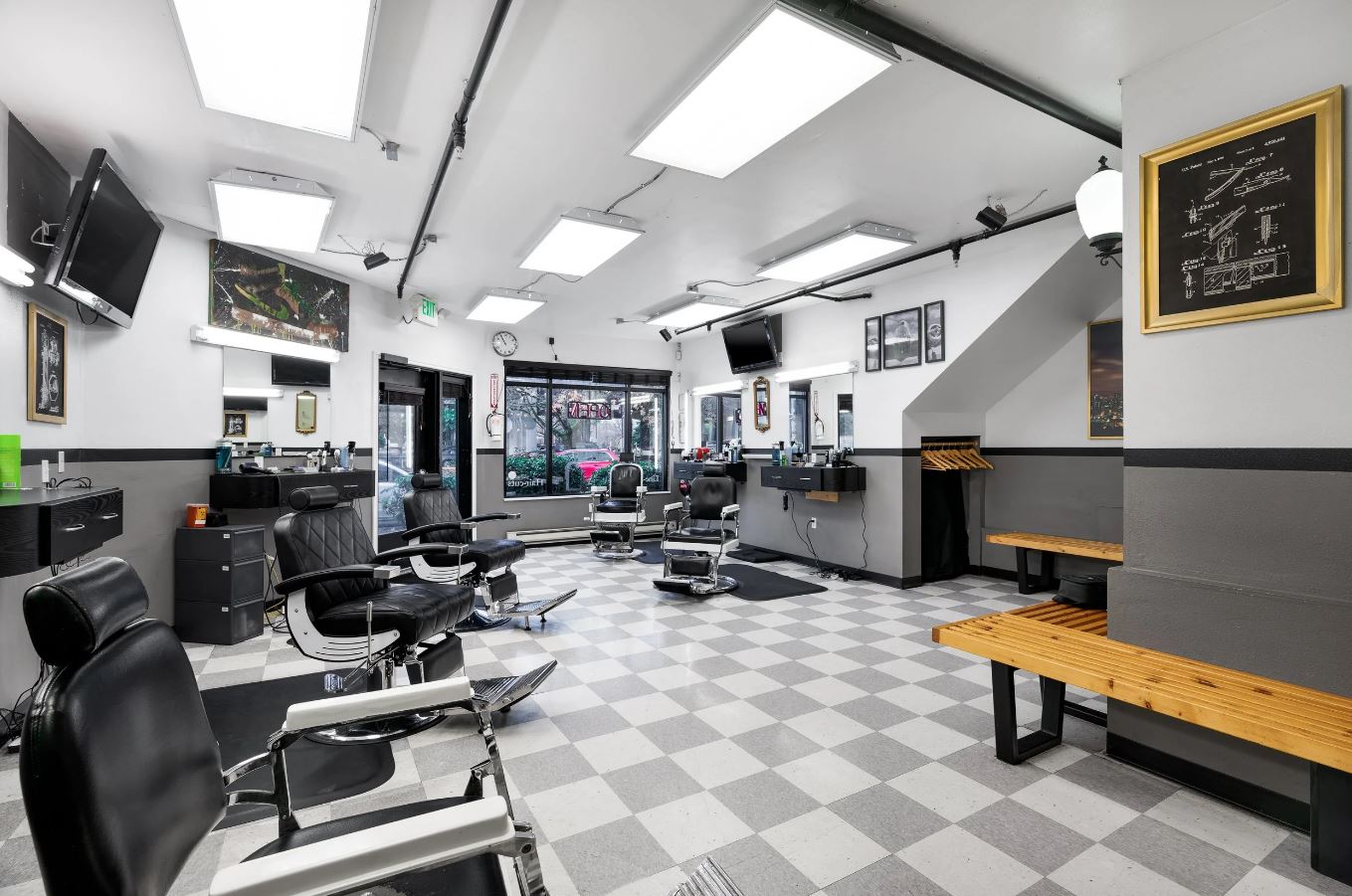
The barbershop has undergone a remarkable revival in the twenty-first century. Once overshadowed by unisex salons and fast-service grooming chains, traditional barbershops have reclaimed their place by merging classic values with contemporary aesthetics. Today’s shops blend vintage charm with minimalist sophistication. Old leather chairs sit beside sleek fixtures, and walls display both history and modern art. This balance of old and new speaks to the changing identity of modern men, individuals who value authenticity but also appreciate innovation. The return of the traditional barbershop reflects a broader cultural shift toward slower, more meaningful experiences. In a world dominated by screens and automation, men are rediscovering the value of human connection and skilled craftsmanship.
New barbershops are also redefining what it means to serve the community. Many operate as creative spaces, hosting events, art exhibits, or social gatherings that connect style with culture. These modern hubs celebrate diversity and personal expression. Whether in New York, London, or small-town America, the revival of the barbershop signals more than nostalgia, it represents evolution. The barber’s chair remains a symbol of transformation, now shaped by global influences yet rooted in timeless ritual. This renaissance proves that tradition and progress can coexist beautifully when guided by authenticity and purpose.
The Emotional Impact of Grooming
Personal grooming influences more than appearance; it affects how men carry themselves in every aspect of life. A precise haircut can enhance posture, boost self-confidence, and alter the perception of one’s own presence. These small transformations influence larger habits, from the way one communicates to how one approaches challenges. The barbershop experience, therefore, functions as a subtle form of therapy. It offers stability and reassurance. A clean shave or well-trimmed beard can shift a man’s mindset, reminding him that control begins with self-care. Many underestimate the psychological impact of grooming, yet barbers see it daily. They witness clients entering the shop tired or withdrawn and leaving with renewed energy.
This process of transformation creates a powerful connection between self-image and mental well-being. Looking good is not vanity, it is affirmation. When a man takes the time to invest in his appearance, he reclaims part of his confidence. The barbershop becomes a space of restoration where care and precision translate into empowerment. It is a small act that ripples outward, shaping how one moves through the world. This deeper layer of meaning is what separates a simple haircut from a genuine experience of renewal.
The Aesthetic and Atmosphere
Design plays a significant role in shaping the identity of a barbershop. The most memorable shops understand that aesthetics influence comfort. The scent of wood polish, the gleam of metal tools, and the texture of worn leather chairs create a multisensory experience that blends familiarity with sophistication. Lighting sets the tone, often soft and warm, reflecting both relaxation and focus. The décor tells a story, merging tradition with modern taste. Many barbershops display framed photos, mirrors with brass frames, or vintage razors as homage to history. These details matter because they create a setting that feels intentional, where every object serves both form and function.
The soundscape also shapes the atmosphere. The rhythmic buzz of clippers, the murmur of conversation, and the background hum of music form a comforting cadence. Clients find peace in that rhythm, which reflects both productivity and calm. This harmony between environment and service defines the barbershop’s character. It invites loyalty and trust because the experience feels grounded. A well-designed space does not just impress, it puts people at ease. The perfect barbershop is a world within a world, where style, scent, and sound combine to create a retreat from the chaos outside.
Tradition, Respect, and Mentorship
At the heart of every great barbershop lies a culture of mentorship. Master barbers pass down techniques to apprentices, ensuring that the craft survives with integrity. This exchange of knowledge reinforces respect for both heritage and innovation. Many young barbers begin by sweeping floors and observing, learning not only how to cut but how to communicate, how to make clients feel seen. The lessons extend beyond skill, they teach discipline, humility, and consistency. The relationship between teacher and student preserves the dignity of the trade. Even in an era where tutorials flood the internet, nothing replaces the experience of learning from hands that have shaped thousands of haircuts.
Respect defines the social fabric of barbershop culture. Every client, regardless of background, receives the same attention to detail. This equality is what keeps the spirit of the barbershop alive. It is a place where people meet without barriers, connected through shared human experience. Generations may pass, trends may shift, but the values of respect, craftsmanship, and authenticity remain unshaken. Mentorship ensures that these ideals continue, that the next generation carries the pride of the past while shaping the future. In that balance lies the soul of the barbershop.
The Timeless Bond Between Barber and Client
The barbershop endures because it reflects something universal, the human need for connection, care, and renewal. Each visit tells a story, every conversation adds to its history. In that single chair, thousands of lives intersect through moments of laughter, silence, and transformation. A great barber does more than shape hair; he shapes confidence. The client leaves not just looking better but feeling restored. The scent of aftershave lingers, the mirror reflects both old and new, and the world outside feels somehow lighter. This is the essence of the barbershop, a tradition that continues to define masculinity not by image alone but by respect, community, and craft. It is more than a place, it is a legacy, one that continues to evolve with every cut, every conversation, and every act of quiet excellence.