

Building Style That Fits You Naturally
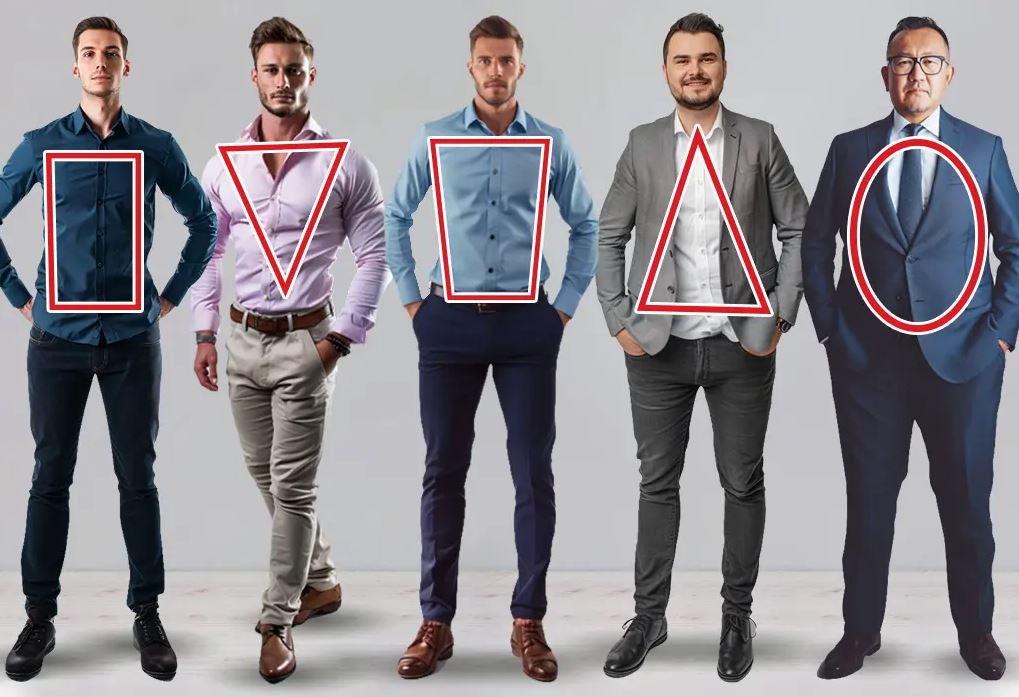
The Men Can Dress for Their Body Type and Create a Balanced, Confident Look That Feels Effortless
Understanding the Foundation of Fit
Personal style begins with understanding proportion. The best-dressed men are not defined by the most expensive brands but by the awareness of what suits their shape. Clothes that fit properly flatter the frame, balance width and height, and enhance posture. Every body type has strengths, and the key lies in knowing how to emphasize them without drawing unwanted attention elsewhere. Dressing for body type is not about hiding flaws; it is about creating visual balance. The right fit transforms even simple outfits into something intentional. Tailoring matters more than labels, and knowing your measurements builds a foundation for consistency across all clothing choices. When garments align with the body’s natural structure, they communicate confidence, precision, and self-awareness. Style, after all, begins not with color or fabric but with proportion, the quiet architecture that shapes first impressions. Whether tall, lean, broad, or compact, understanding your frame opens the path to dressing smarter and feeling more authentic in every situation.
The Athletic Build and Structural Harmony
Men with athletic builds often face the challenge of proportion rather than fit. Broad shoulders and narrow waists create strong silhouettes that can sometimes distort clothing lines. The goal is to soften angles while maintaining shape. Structured tailoring complements strength, while fabrics with a bit of flexibility ensure movement without stiffness. Choose jackets with minimal padding to avoid bulk, letting natural form define contour. Slim or straight trousers maintain balance, avoiding extremes like skinny or overly relaxed cuts. Layering helps add dimension, especially lightweight sweaters or fitted shirts under blazers. For casual wear, crew necks and polos highlight shoulder lines gracefully, while V-necks subtly elongate the torso. Avoid overly tight fits that restrict comfort or exaggerate muscle definition. Athletic builds look best when sharpness meets fluidity. The balance between definition and ease results in elegance. Each outfit should highlight symmetry, proving that strength and refinement coexist through thoughtful dressing rather than display.
The Lean Frame and Smart Layering
Men with lean builds benefit from volume and texture. The goal is to introduce structure without losing the body’s natural lines. Layering creates visual depth, adding subtle width through overlapping garments. Choose shirts with heavier fabrics like oxford cotton or flannel instead of thin materials that cling to the torso. Jackets with lightly padded shoulders or double-breasted blazers help widen appearance without exaggeration. Crew necks, turtlenecks, and textured knits fill space around the chest, giving balance to slender frames. When selecting pants, avoid ultra-skinny designs that make legs appear narrower. Straight or slightly tapered cuts maintain proportional flow. Accessories also enhance presence; scarves, structured watches, or leather belts provide visual anchors. Patterns such as horizontal stripes or small checks can broaden the upper body when balanced correctly. Comfort matters as much as design. Confidence grows when clothing supports posture and movement naturally. Dressing a lean frame successfully means transforming delicacy into dimension through smart layering and material choice.
The Broad or Stocky Build and Streamlined Lines
Men with broader builds require structure that shapes rather than constrains. The objective is to elongate rather than expand. Vertical details such as long lapels, open collars, and fine pinstripes create visual height. Darker tones provide natural slimming effects, though contrast layers can still add personality. Tailored jackets with single vents encourage smoother draping around the torso. Shirts with clean seams and minimal pocket detailing prevent visual clutter. Pants should taper slightly at the ankle to maintain proportion without appearing tight. Avoid oversized clothing that hides form, as it often makes the frame appear larger. Instead, focus on clean lines and balanced cuts. Lightweight fabrics like wool blends or linen blends allow breathability without bulk. Structured collars lift the neckline and enhance posture, drawing attention upward. Footwear also contributes to proportion; sleek dress shoes or minimal sneakers refine balance. For stockier builds, harmony means discipline, choosing garments that move with the body while subtly guiding the eye vertically for controlled symmetry.
The Tall Frame and the Balance of Scale
Tall men often struggle to maintain proportion because height can easily overpower the details of an outfit. The solution lies in breaking up vertical lines with thoughtful layers and color distribution. Contrasting belts, pocket squares, or shirts beneath jackets interrupt long silhouettes effectively. Patterns such as checks or textured weaves add visual grounding. Avoid overly short jackets or cropped shirts, as they distort proportion and lengthen the torso awkwardly. Mid-length outerwear like trench coats or field jackets complements height, dividing it naturally. Cuffed trousers create subtle boundaries that reduce visual stretch. Horizontal patterns or layered combinations of light and dark tones stabilize the frame. Shoes with low profiles maintain sleekness, preventing additional height emphasis. Tailoring ensures that sleeves and hems align precisely, since even small imbalances appear exaggerated on taller frames. Dressing tall is about controlling perspective, using contrast, proportion, and detail to achieve structure without compromising natural stature or elegance.
The Shorter Frame and the Illusion of Height
For shorter men, the objective is to elongate without exaggerating. Proportion becomes the strongest tool. Monochromatic outfits create a continuous line that visually lengthens the body. Vertical stripes, narrow lapels, and slightly higher waistlines contribute to the illusion of height. Avoid oversized jackets or untucked shirts, as they disrupt flow and make legs appear shorter. Fitted blazers that end just below the waist emphasize shape while extending the torso. Slim, not skinny, pants elongate without restricting movement. Footwear should maintain a clean profile with minimal bulk, ideally matching the pant color to reduce contrast breaks. Accessories like slim ties or minimal watches add polish without clutter. Shorter men benefit most from precision tailoring, ensuring clean silhouettes and minimal excess fabric. Confidence is amplified when clothing fits proportionately, proving that stature is irrelevant when balance and detail align. The illusion of height emerges from consistency in fit, color, and structure, never from forcing scale beyond natural harmony.
Using Color, Texture, and Fabric to Shape Perception
Color and texture shape perception as much as tailoring does. Light colors expand space, while dark tones contain it. For broader frames, darker hues refine shape; for leaner builds, lighter tones add visual substance. Combining matte and glossy finishes creates contrast that draws the eye where desired. Texture offers depth without distraction, tweed, corduroy, and wool add body to slim builds, while smoother materials like fine cotton or silk enhance sleek frames. Color blocking provides definition when balanced thoughtfully. Neutrals create timeless structure, while accent tones inject personality. Men who understand color coordination can guide attention strategically. For instance, brighter shoes or shirts bring focus upward or downward, depending on proportion goals. Accessories like pocket squares or watches echo tones subtly, completing cohesion. The artistry of fabric choice and texture layering lies in subtle control. Every detail influences balance, shaping how light interacts with form and how movement translates into visual rhythm.
The Role of Tailoring and Fit Precision
Tailoring transforms clothing from standard to exceptional. Ready-made garments rarely match individual proportions perfectly, but minor adjustments make enormous difference. Tailors refine sleeve length, taper trousers, and adjust shoulders for flawless drape. A fitted blazer frames the torso, enhancing posture. Proper fit at the shoulders and chest determines overall silhouette integrity. The goal is harmony between garment and anatomy. Too loose appears careless, too tight feels forced. Every stitch influences proportion. Investing in tailoring teaches awareness of form. Once a man experiences the comfort of perfectly fitted clothing, he rarely returns to mass sizing. Even casual wear benefits from adjustment, hemmed jeans, refined shirt seams, and adjusted cuffs redefine everyday comfort. Tailoring represents the meeting of craft and personality. It teaches patience, attention, and respect for design. The man who tailors invests in refinement rather than trend. He learns that style does not rely on volume but on precision, where every line aligns with the natural flow of the body.
Confidence in Clothing That Fits
Dressing for body type is not about following rules but about understanding harmony. Clothes should enhance personality, not replace it. When proportions align, confidence follows naturally. A balanced outfit improves not only appearance but comfort and mindset. Fit shapes perception, conveying control and calm. Each body type offers unique advantages, height, structure, or compactness, and each can project sophistication when dressed with awareness. The true purpose of style lies in authenticity. Clothing becomes a medium for confidence, self-expression, and respect for detail. When garments reflect understanding rather than imitation, they become extensions of presence. Dressing well is not about perfection but adaptation, using awareness to refine individuality. Whether in formalwear or casual attire, the man who understands his proportions gains quiet authority. He appears composed without effort because his clothing works with him, not against him. Style achieves its highest form when fit and confidence merge seamlessly into identity.