

Precision Woven Into Time
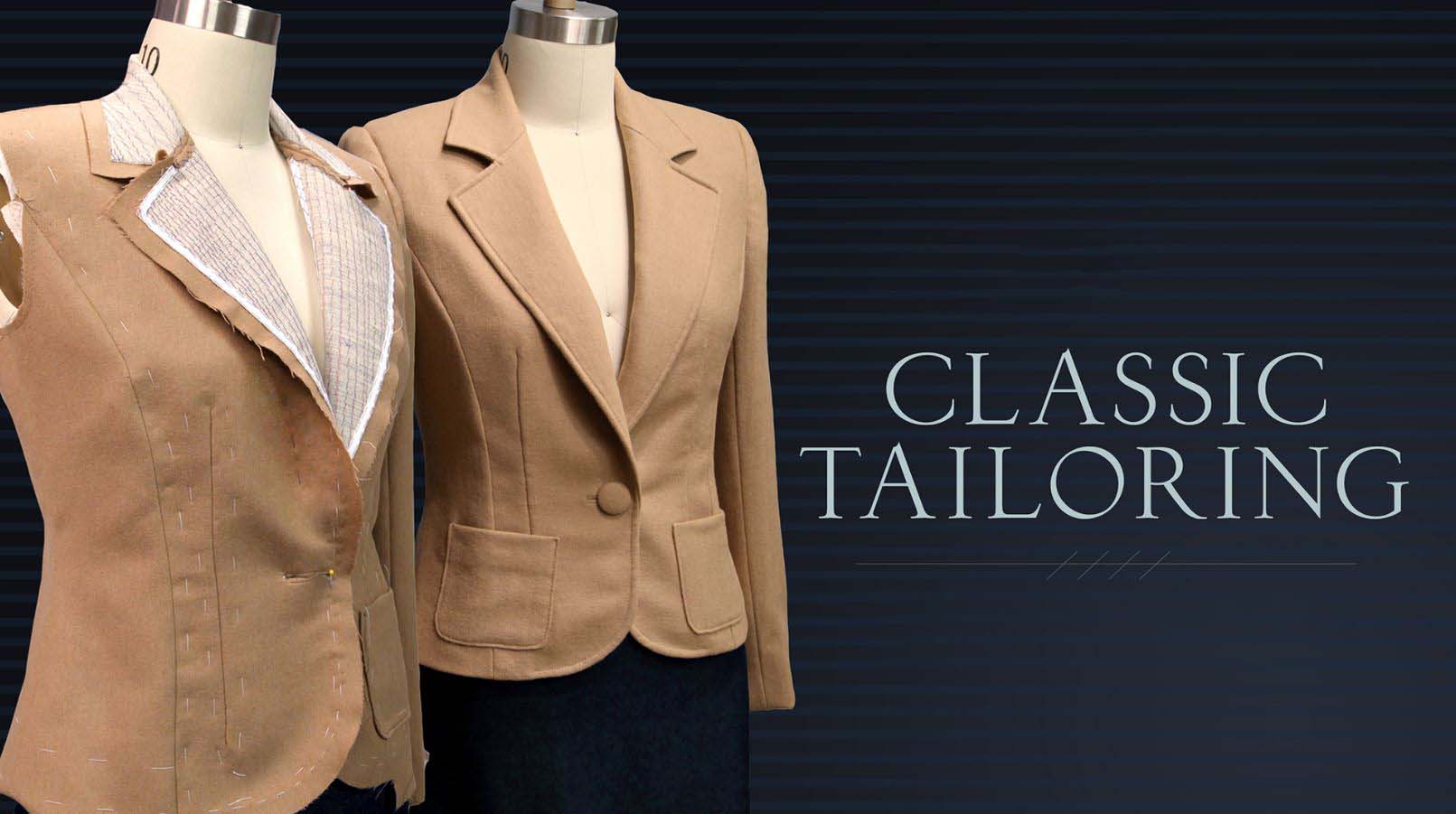
Classic Tailoring Continues to Shape the Modern Man’s Identity
The Foundation of Craft
Classic tailoring exists at the intersection of precision and artistry. Every garment begins not with fabric but with understanding. The tailor must study proportion, silhouette, and the subtle geometry of the human form. This knowledge transforms measurement into expression. The process unfolds slowly, guided by chalk, shears, and thread, tools that embody patience. Unlike mass production, tailoring respects individuality. Each body carries its own narrative, and the suit becomes the language through which that narrative is refined. The canvas within the jacket, the curve of the lapel, and the tension of the stitch all contribute to a dialogue between the maker and the wearer. What emerges is not just clothing but structure in motion, a second skin designed to move with purpose. Tailoring’s precision is a form of respect, honoring not only craft but character. The foundation of this tradition lies in discipline, where every cut and adjustment echoes centuries of refinement. Through this devotion to exactness, tailoring transforms fabric into identity, offering men a visible manifestation of composure and clarity.
The Heritage of the Needle
The roots of classic tailoring trace back to the workshops of London, Paris, and Naples, each region shaping its own interpretation of formality. English tailoring emphasizes structure and authority, favoring padded shoulders and firm lines that convey discipline. Italian tailoring leans toward fluidity, reducing internal padding to achieve natural drape and movement. French ateliers blend the two, focusing on balance and proportion. These traditions grew from necessity, responding to social expectations and climate while evolving into distinctive cultural signatures. Over time, the craft became a symbol of progress. Apprentices learned not only technique but philosophy, absorbing the principle that mastery demands humility. The lineage of tailoring extends through generations of artisans who pass their knowledge as if preserving a sacred text. Each stitch carries inherited memory. In the modern era, this heritage remains alive because it adapts without losing essence. The tailor’s workshop becomes a living museum where legacy breathes through precision. The art persists because it never settles, redefining elegance through each measurement taken with quiet devotion to perfection.
The Dialogue of Measurement
Every suit begins with conversation. The tailor observes posture, movement, and manner of speech to understand more than numbers. Measurement captures proportion, but expression captures intent. A man seeking confidence stands differently from one seeking comfort. Tailoring translates these differences into structure. The tape measure becomes an instrument of interpretation. The chest is measured not for width alone but for rhythm, for how breath fills the form. Shoulders define authority, while sleeve length reflects subtle control. Waist suppression and hemline determine balance between mobility and restraint. These details combine into silhouette, the visual echo of personality. Through this dialogue, the tailor learns to build clothing that speaks fluently without exaggeration. The client learns the value of precision as conversation rather than transaction. Each fitting becomes a negotiation between vision and reality, where adjustment reflects progress. The act of measurement, though mathematical, is ultimately emotional. It affirms individuality within tradition, showing that refinement is not the absence of imperfection but the artful management of it. In this delicate exchange, the tailor and client coauthor presence.
The Character of Construction
Inside every well-made jacket lies a hidden architecture of canvas, padding, and hand stitching. These unseen layers form the skeleton of structure. Floating canvases replace fusible adhesives to allow breathability and longevity. Lapels roll naturally, rather than breaking into stiffness. The sleeve head, shaped by careful padding, grants mobility without distortion. Construction reveals philosophy: the belief that integrity must begin where the eye cannot see. A machine can mimic form, but only a craftsman can breathe life into it. Each stitch made by hand carries elasticity, allowing the garment to adapt over time. This structural flexibility mirrors human resilience. As the wearer’s body changes, the suit accommodates rather than resists. Construction thus becomes an embodiment of empathy. It acknowledges that strength and softness coexist. In a tailored suit, engineering and artistry align seamlessly. Every layer performs a role that supports the whole. The harmony of these parts exemplifies the classic principle that refinement depends on what remains unseen. True craftsmanship hides its labor beneath elegance, proving that quiet design often holds the greatest complexity.
The Evolution of Fit
The definition of a perfect fit evolves with each generation. Once, fit implied rigidity, a uniform silhouette signaling authority. Today, it represents adaptability. Contemporary tailoring respects tradition but reinterprets proportion. Jackets are lighter, shoulders softer, and waistlines more natural. This progression reflects cultural transformation. Modern men seek movement without surrendering formality. The tailored suit adapts by blending precision with ease. Fit no longer enforces conformity but enhances individuality. Technology has also joined this evolution. Digital pattern making refines accuracy, allowing tailors to blend intuition with data. Yet, even in this technological landscape, human touch remains irreplaceable. The tailor’s trained eye perceives nuances a machine cannot register: how fabric falls with motion, how light interacts with texture. Fit becomes a living concept, adjusting to lifestyle and temperament. A man’s clothing now must perform across varied contexts, from boardroom to street. Tailoring meets this demand by embracing lightness. The modern fit expresses confidence through comfort, proving that refinement matures when constraint yields to grace. Fit evolves, but the pursuit of harmony between form and freedom remains unchanged.
The Influence of Fabric
Fabric is the language through which tailoring speaks. Wool remains the cornerstone, prized for its durability and adaptability. Flannel offers warmth, while worsted wool provides crispness. Linen introduces relaxation into summer wardrobes, and cashmere adds luxury without ostentation. The choice of fabric dictates the tone of a suit much like vocabulary shapes conversation. Texture influences formality. Smooth weaves create precision, while rougher finishes suggest ease. Modern tailors blend materials, integrating silk or elastane for flexibility without compromising authenticity. Fabric selection requires understanding of both environment and purpose. The traveler favors wrinkle resistance, while the connoisseur may prefer fabric that ages visibly, recording experience in subtle patina. Beyond performance, fabric communicates emotion. The weight of cloth affects presence, determining how one occupies space. Even color speaks through fabric’s depth and reflection. A charcoal wool suit conveys gravitas, while soft brown herringbone evokes intellect. The mastery of tailoring lies in aligning material with message. Every bolt of cloth holds possibility, awaiting transformation through craft into an instrument of self-expression that endures beyond trend.
The Psychology of Presentation
A tailored suit shapes perception not by ostentation but by precision. It alters posture and projects intention. When clothing fits flawlessly, the body responds subconsciously. Shoulders square, steps steady, and gestures gain rhythm. This physical alignment creates psychological assurance. The suit becomes armor that requires no aggression. In social and professional settings, it communicates preparation and respect. Yet, beyond impression, tailoring reinforces internal equilibrium. The discipline required to maintain and wear such garments cultivates mindfulness. Dressing becomes deliberate, transforming habit into ritual. The mirror reflects not vanity but readiness. Classic tailoring invites reflection on how external presentation influences inner narrative. It proves that elegance is not performance but awareness. The man who wears tailored clothing learns to inhabit time differently. He moves with measured intent, speaking less through words and more through presence. The psychology of presentation, therefore, is not manipulation but expression. It teaches that refinement is relational. How one presents oneself shapes how one perceives the world in return. Tailoring becomes meditation disguised as apparel, uniting confidence with composure.
The Relevance of Tradition in Modernity
Classic tailoring persists because it adapts while maintaining integrity. The modern wardrobe integrates sportswear and denim, yet the tailored jacket endures as its nucleus. This endurance comes from versatility. A suit can transition across contexts without losing identity. It remains formal yet flexible, historic yet current. Designers reinterpret tradition with lighter canvases, natural shoulders, and experimental colors, but the underlying principles remain constant: precision, balance, and respect for proportion. Tradition’s relevance lies in its capacity to remind men of continuity. Amid transient trends, tailoring provides anchor. It connects contemporary expression with timeless codes of discipline and grace. The resurgence of bespoke craftsmanship among younger generations proves that technology cannot replace authenticity. Men return to tailoring not for nostalgia but for meaning. In the act of commissioning a suit, they reclaim patience in a culture obsessed with speed. The process itself becomes countercultural, a reminder that excellence requires time. Classic tailoring endures because it offers permanence in a shifting landscape, embodying the belief that progress gains depth only when rooted in tradition.
The Legacy of Precision
The story of classic tailoring extends beyond fabric and thread. It represents the continuity of discipline as art. Each garment serves as testimony to generations of observation, experimentation, and refinement. Tailoring teaches patience, humility, and respect for proportion. It transforms functionality into poetry, shaping not only how men appear but how they perceive themselves. The future of tailoring will merge tradition with technology, yet its essence will remain unchanged: human mastery guided by purpose. Whether cut in Savile Row, Milan, or Tokyo, a tailored suit still symbolizes balance between individuality and order. It embodies the quiet pursuit of excellence that transcends fashion. The legacy of tailoring endures because it reflects humanity’s desire for structure amid chaos. Every stitch echoes centuries of refinement, proving that the art of dress is also the art of being present. In the end, tailoring survives not because it resists change but because it listens to it, adapting with grace. Through this harmony of heritage and innovation, the architecture of precision continues to define what it means to be truly well-dressed.