

Building Confidence Through Timeless Formal Style
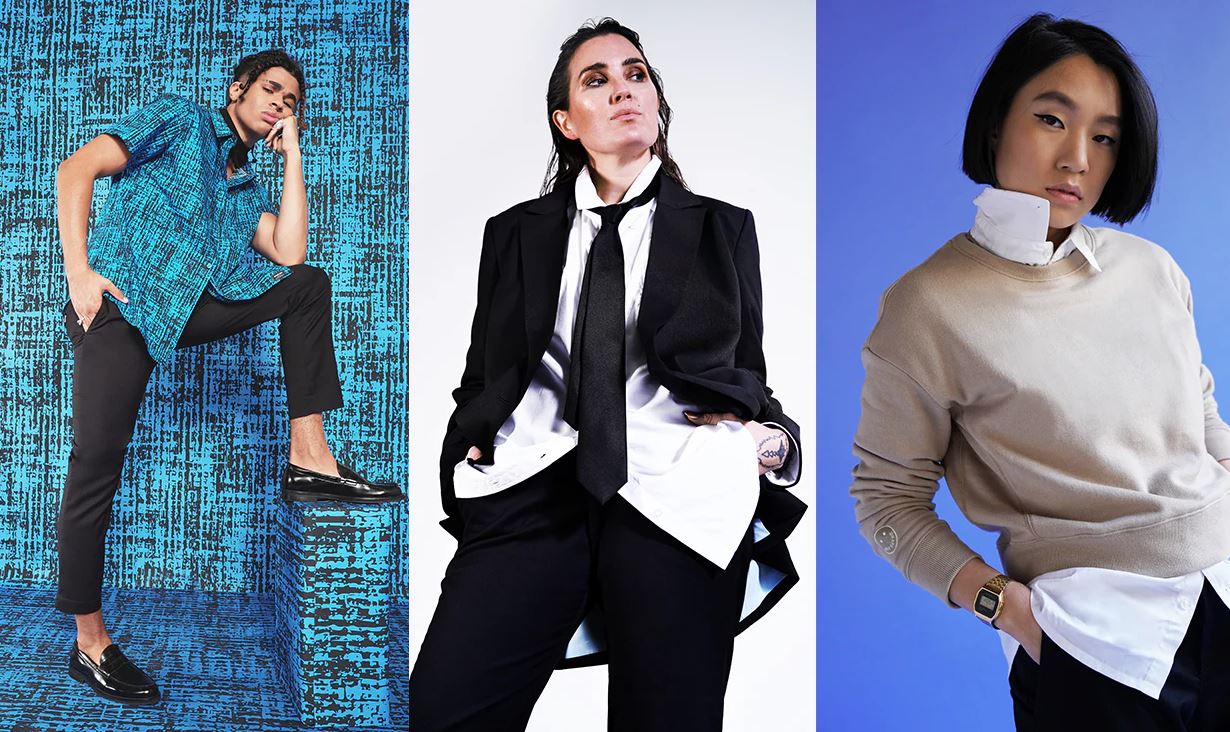
Modern Men Redefine Elegance Through the Language of Formal Wear
The Meaning Behind Formal Attire
Formal wear has always been more than a set of garments. It represents discipline, precision, and the art of showing respect through presentation. When a man wears formal clothing, he participates in a tradition that transcends trend. Every suit, tie, and polished shoe reflects care and awareness. The roots of formality lie in structure, yet modern interpretation gives it fluidity. Today, dressing formally no longer implies rigidity. Instead, it expresses understanding of context. A well-tailored suit is no longer a uniform but a medium for personality. What remains constant is intent. Formal attire signals readiness, self-control, and acknowledgment of occasion. It invites confidence without arrogance. A man dressed properly for a formal event communicates mastery over detail, proving that sophistication begins with preparation. Beyond fashion, formal wear is an attitude, one that turns fabric and form into a reflection of inner composure and outer respect. It is a quiet performance where every line, texture, and fold carries purpose.
The Foundation of the Modern Suit
The suit remains the cornerstone of formal menswear. Its structure, balance, and timeless silhouette make it an enduring symbol of refinement. A modern suit merges craftsmanship with comfort. Tailoring defines its success, shaping fabric into movement. Shoulders must align naturally, the chest must breathe, and the waist must taper with precision. A two-piece suit in charcoal or navy serves as the foundation of any man’s formal wardrobe. These tones complement every complexion and setting, from professional meetings to evening functions. For those seeking variation, the three-piece suit adds depth without overstatement. Fabric selection transforms perception. Worsted wool offers year-round versatility, while linen and cotton serve warmer climates. Subtle textures like herringbone or twill enhance character without distraction. Fit distinguishes elegance from excess. When proportion aligns with posture, the suit feels lived-in rather than worn. This balance between structure and ease defines the essence of modern tailoring. The suit endures not through nostalgia but through its ability to evolve with time while maintaining integrity.
The Power of the Shirt and Tie Combination
Within formal wear, the shirt and tie operate as instruments of contrast and coordination. They bridge individuality with tradition. A crisp white shirt remains the standard of formality, offering clarity against darker fabrics. Yet, variations in collar design and texture allow subtle differentiation. The spread collar conveys confidence, while the button-down suggests approachability. A well-chosen tie complements rather than competes. Silk ties retain their dominance for their sheen and drape, but wool or knitted alternatives introduce tactile interest. Color pairing requires discipline. A navy suit with a burgundy tie expresses authority, while a gray suit paired with pale blue projects calm. Patterns must serve tone, not dominance. Stripes, checks, or dots should remain secondary to silhouette. The knot itself carries meaning. The half-Windsor balances symmetry with ease, while the four-in-hand preserves a relaxed aesthetic. The interplay between shirt and tie embodies the harmony of detail, transforming routine into ritual. Mastery lies in awareness, not extravagance, proving that elegance thrives in precision rather than abundance.
The Role of Accessories in Refinement
Accessories elevate formal wear from competent to complete. They are punctuation marks in the language of style. A pocket square adds dimension, a watch anchors time, and cufflinks express character. Each should integrate naturally rather than compete for attention. Leather belts and shoes must always align in tone, forming continuity throughout the outfit. Polished oxford shoes remain the pinnacle of formality, while double monks or derbies introduce variation. The watch, often the only visible piece of jewelry, reflects sensibility. Slim, understated designs harmonize with tailored lines, reinforcing discipline. A tie bar or lapel pin adds subtle personality, but restraint remains essential. Accessories are tools of emphasis, not decoration. They guide the eye through balance and coherence. Even the fragrance one chooses becomes part of the ensemble, contributing to impression through subtle presence. The refined man understands that accessories are extensions of awareness. When chosen thoughtfully, they complete the composition without overpowering it, demonstrating that refinement thrives on proportion and control.
The Importance of Fit and Posture
Formal wear lives and dies by fit. No fabric, brand, or label can substitute precision. Fit communicates respect for both self and occasion. The jacket should contour naturally along the shoulders without creating tension. The sleeves must reveal a quarter inch of cuff, an often overlooked detail that distinguishes refinement from neglect. Trousers should sit at the waist, not the hips, falling cleanly to the shoe without excess break. Tailoring is an investment in confidence. A well-fitted suit eliminates distraction, allowing posture to take precedence. Posture completes the garment’s intent. Straight shoulders, relaxed stance, and measured steps reveal assurance. Fit also influences comfort. Proper tailoring allows mobility without compromise. It turns formality into fluidity. The man who understands fit learns patience, as precision requires multiple adjustments. Yet once achieved, it redefines appearance entirely. Fit transforms fabric into identity. In this pursuit of proportion, men discover that presentation is not performance but presence, built from subtle alignment between structure and self.
Formal Wear for Different Occasions
Every event demands interpretation of formality. A business meeting differs from a wedding, and a gala diverges from a black-tie affair. Understanding context prevents both excess and understatement. Business formal requires structure and restraint. A charcoal or navy suit paired with a conservative tie conveys reliability. Weddings invite expression within boundaries. Light gray or beige suits suit daytime ceremonies, while darker tones fit evening receptions. Tuxedos define black-tie elegance, where simplicity reigns supreme. A single-breasted jacket with satin lapels, a white dress shirt, and a black bow tie remain untouchable in their precision. White-tie events, though rare, demand utmost formality through tailcoats, waistcoats, and polished shoes. Each setting balances personal style with respect for tradition. The key lies in interpretation. Dressing formally does not mean dressing identically. The modern gentleman adapts while maintaining integrity. Awareness of event etiquette transforms clothing from costume into code, proving that true elegance listens before it speaks.
Seasonal Adaptation and Fabric Selection
Formal wear must adapt to climate without losing composure. Seasonal awareness distinguishes the practiced dresser from the casual participant. In summer, lighter fabrics like linen and cotton ensure breathability. Unlined blazers and lighter shades reduce heat without compromising sophistication. In colder months, wool and flannel dominate for their texture and insulation. Layering becomes both functional and aesthetic. A waistcoat or cashmere overcoat provides warmth while maintaining proportion. Seasonal color palettes shift naturally. Light grays and blues thrive in spring and summer, while deeper tones of navy, brown, and charcoal align with autumn and winter. Texture plays an equal role. The rough grain of tweed or the smooth finish of worsted wool adjusts to atmosphere. Adaptation proves mastery. The well-dressed man anticipates transition, understanding that elegance depends on comfort. When fabric harmonizes with environment, formality becomes effortless. This ability to adjust without losing identity defines sophistication not as adherence to rule, but as understanding of circumstance and season.
The Evolution of Contemporary Formality
Formal wear continues to evolve with cultural change. The rigid rules of the past have softened into flexible expressions of identity. Modern tailoring prioritizes movement and minimalism. Unstructured blazers, lightweight materials, and softer shoulders redefine comfort. The tie, once mandatory, now shares space with open collars and fine knitwear. This evolution reflects shifting values, where authenticity outweighs conformity. Yet, the core principles remain: precision, respect, and awareness. The new generation of formal wear embraces individuality within structure. Men experiment with texture, mixing wool with silk or denim with tailored jackets. Monochrome ensembles replace traditional contrast, creating clean modern silhouettes. Sustainability also enters the conversation. Ethical fabrics and local craftsmanship reshape definition of luxury. Formality is no longer about hierarchy but about care. Each garment represents thoughtfulness. The modern man reclaims formality not as obligation but as choice, proving that tradition evolves gracefully when guided by purpose and consciousness.
The Enduring Value of Elegance
Elegance endures because it transcends fashion’s volatility. Formal wear remains relevant not through nostalgia but through adaptability. Every generation reinvents it while preserving its core: respect, balance, and attention to detail. To dress formally is to acknowledge moment and meaning. It teaches discipline through repetition, clarity through simplicity, and confidence through consistency. The suit, the shirt, and the tie may shift in proportion, but their language remains universal. Elegance is not loud. It does not demand validation. It speaks through stillness, through precision of fit and the quiet authority of preparation. A man who masters formal dressing learns self-awareness, for every choice reflects thought. The legacy of formality lies in its humanity. It reminds us that care for appearance is care for connection, that refinement is not vanity but courtesy. In the end, formal wear inspires not imitation but intention, allowing men to carry tradition forward with quiet confidence and modern grace.