

Steps That Define the Modern Gentleman
Understanding the Balance Between Footwear Maintenance and Evolving Style
The Foundation of Style Begins with Footwear
Footwear carries more than function. It carries first impressions, movement, and identity. The shoes a man chooses say as much about his character as his attire does. From the first handshake to the final goodbye, well-maintained footwear communicates discipline, awareness, and taste. While clothing frames personality, shoes anchor it. They ground an outfit both physically and symbolically. The art of footwear care and understanding modern trends stems from respect for craftsmanship and attention to evolving culture. Footwear has moved beyond necessity to become a reflection of modern lifestyles, blending tradition and innovation. The variety of materials, forms, and functions available today demands knowledge. Whether one wears a polished oxford, a rugged boot, or a minimalist sneaker, each requires maintenance and intention. Style begins where attention meets consistency, and footwear is its truest expression. The man who takes care of his shoes displays not only elegance but also commitment to the subtle details that define lasting refinement.
The Importance of Footwear Care
Proper footwear care extends longevity and preserves aesthetic value. Shoes endure daily wear and environmental exposure that test their resilience. Without maintenance, even the finest leather or premium suede deteriorates quickly. Regular cleaning removes dirt and oils that degrade materials over time. Leather shoes demand nourishment through conditioning, which keeps them supple and prevents cracking. Suede requires brushing to maintain its texture and avoid matting. Waterproofing treatments protect from moisture damage, particularly during colder seasons. Beyond cleaning, storage plays an essential role. Shoe trees made from cedar absorb moisture and maintain shape, ensuring the shoe retains its original contour. Rotation also matters. Wearing the same pair daily accelerates wear by preventing recovery between uses. Investing in shoe horns and dust bags adds further protection. Consistency, not complexity, defines effective care. A few minutes of attention after each wear prevents costly repairs later. This dedication reinforces not vanity but respect for craftsmanship and self-presentation.
Leather Footwear and the Craft of Preservation
Leather footwear represents the pinnacle of timeless sophistication. However, maintaining it requires understanding its organic nature. Leather breathes, absorbs, and adapts. Exposure to moisture or excessive heat compromises its fibers. To preserve quality, shoes should always rest after wear, allowing natural oils to redistribute. Polishing remains an indispensable ritual. A good polish not only restores shine but also creates a protective barrier against dirt and water. Cream-based polishes hydrate leather more deeply, while wax finishes enhance surface sheen. The process must remain gentle. Applying polish in circular motions with a soft cloth ensures even coverage. Conditioning once every few weeks prevents stiffness, particularly in dryer climates. Edge dressing refines the look of soles, maintaining continuity between upper and base. Storage conditions should remain moderate in temperature and humidity. By preserving leather, one sustains elegance. Well-maintained leather develops patina, a natural finish that narrates history through subtle tonal shifts unique to each pair.
The Modern Rise of Sneakers and Their Maintenance
The sneaker revolution transformed footwear culture by merging practicality with personality. Once limited to sportswear, sneakers now occupy the front row of modern style, pairing effortlessly with denim, tailored suits, or casual separates. Their rise represents comfort’s integration into sophistication. However, maintaining sneakers demands diligence. Materials such as knit fabrics, mesh, and synthetic leathers require specific care routines. Regular cleaning with mild soap and soft brushes prevents buildup of dust and stains. White sneakers in particular require vigilance, as discoloration can quickly diminish visual impact. Insoles should be aired frequently to prevent odor accumulation. Laces must be washed or replaced periodically to sustain freshness. For premium or collectible sneakers, protective sprays add a layer of resistance to dirt and moisture. Storage matters as well. Sneakers should be kept in breathable spaces, avoiding sunlight that fades color and weakens adhesives. Clean sneakers reflect precision, demonstrating that casual does not equal careless. True style finds polish in maintenance.
Seasonal Footwear Care and Adaptation
Each season introduces unique challenges to footwear. Understanding how to adapt care ensures longevity and versatility. During winter, shoes encounter moisture, salt, and temperature fluctuation. Applying weatherproof treatments prevents staining and structural damage. Regular brushing after exposure removes residue before it hardens. Boots benefit from conditioning that keeps leather resilient against cold-induced dryness. In spring, humidity demands ventilation. Allowing shoes to breathe prevents mold formation. Summer calls for lighter materials like canvas and suede, which require gentler cleaning methods to maintain breathability. Fall emphasizes preparation for incoming moisture. Rotating between pairs gives each shoe time to recover. Seasonal storage requires equal care. Shoes stored for months must remain filled with shoe trees to prevent deformation. Covering them with dust bags shields against humidity. Adapting care to the rhythm of seasons mirrors the philosophy of style itself, continuous awareness and readiness. A man who tends to his shoes year-round maintains not only their form but also his consistency in self-discipline.
Understanding Footwear Trends and Material Innovation
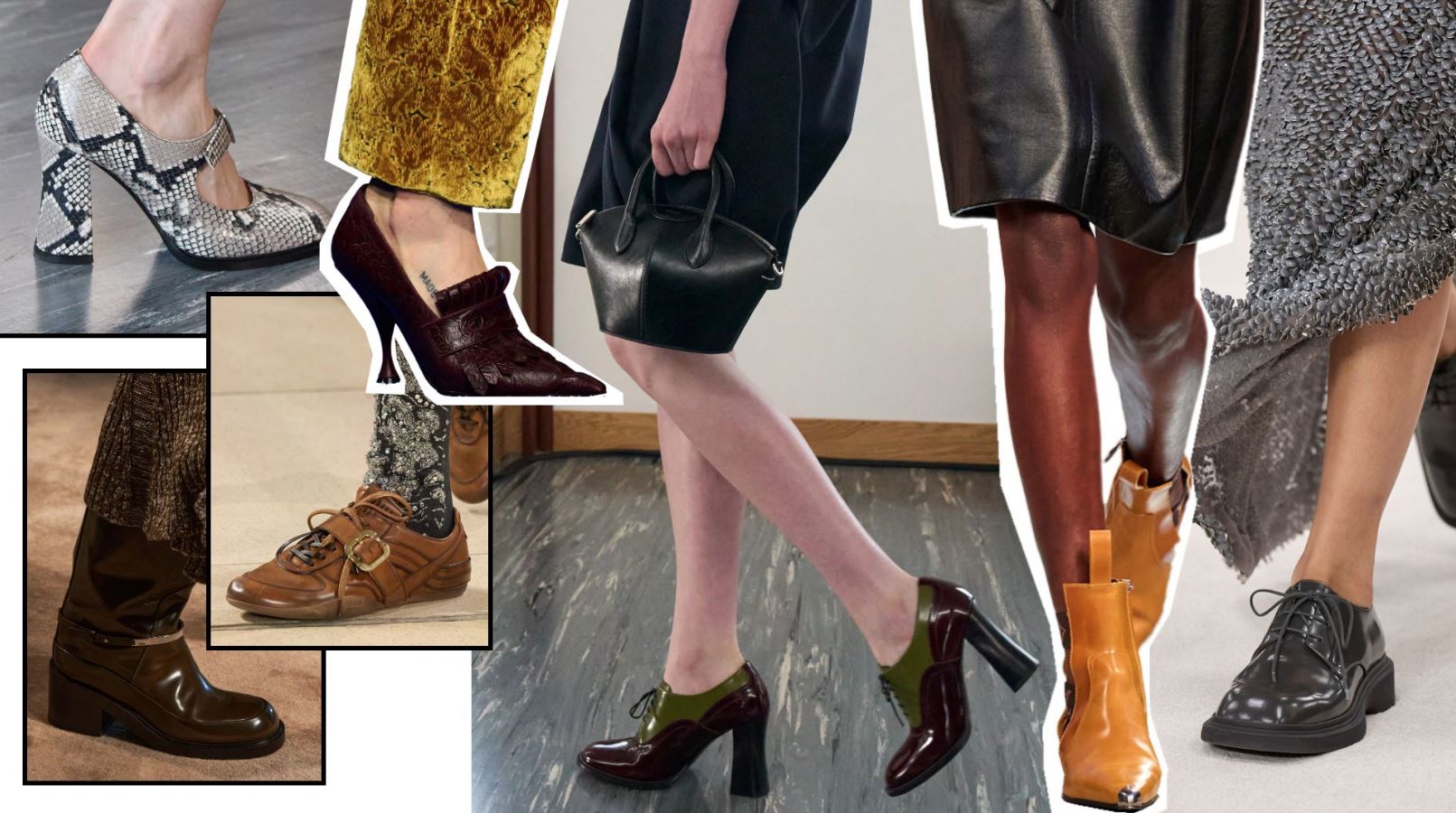
Footwear trends evolve with societal values, technological progress, and cultural expression. The modern market blends traditional craftsmanship with innovation, creating hybrids that redefine classic silhouettes. Sustainable materials such as recycled leather, organic cotton, and plant-based fabrics reshape design ethics. Minimalist sneakers showcase simplicity, while bold statement pieces emphasize individuality. The line between casual and formal continues to blur, enabling versatility across settings. Hybrid shoes, combining sneaker soles with dress shoe uppers, reflect this transition. Designers focus on ergonomics, integrating comfort technologies like cushioned insoles and flexible soles without compromising structure. Even formal brands now explore sport-inspired aesthetics, acknowledging the shift toward mobility and function. Yet, trends remain cyclical. Brogues, loafers, and Chelsea boots persist as timeless anchors. What distinguishes modern footwear trends is their adaptability. The contemporary gentleman values authenticity over novelty. He follows trends not blindly but selectively, choosing innovation that enhances comfort while preserving the principles of craftsmanship and quality.
Pairing Shoes with Outfits Across Occasions
Mastering footwear coordination defines visual harmony. Every setting demands context-sensitive pairing. Formal events require polished oxfords, derbies, or loafers that align with tailored suits. Black shoes convey authority, while brown tones introduce warmth. For business casual, suede loafers or monk straps create balance between professionalism and ease. Casual environments invite experimentation. Sneakers, espadrilles, or desert boots complement denim and chinos effectively. Texture and tone coordination elevate composition. Dark jeans pair best with leather shoes, while lighter fabrics harmonize with canvas or suede. Accessories should always align with footwear tone. Matching belts and shoes maintain cohesion, while contrast adds deliberate flair when executed with restraint. Awareness of proportion matters. Slim trousers reveal sleek silhouettes, while relaxed cuts accommodate bulkier footwear. Seasonal adjustments enhance adaptability. Lighter shades fit spring and summer, while richer hues complement fall and winter. Proper pairing communicates awareness. Shoes complete the narrative of outfit composition, grounding expression with structure and context.
The Psychology of Footwear and First Impressions
Shoes influence perception more than most realize. Studies show that observers often judge cleanliness, organization, and confidence based on footwear. This psychological link underscores why maintenance and selection matter. Clean, well-kept shoes signal discipline and attention to detail, qualities associated with reliability and self-respect. The opposite projects neglect and inconsistency. Footwear also influences posture and movement, which in turn affect confidence. The right fit and support improve stance and balance, indirectly shaping demeanor. Material, color, and design influence emotional tone. Dark leathers project professionalism, while lighter shades convey openness. Casual shoes imply approachability, while formal ones assert presence. The relationship between mind and footwear extends beyond aesthetics. It becomes a form of nonverbal communication. A man who values his shoes understands their impact not only on his outfit but also on how others perceive his presence. In every setting, footwear speaks before words, making maintenance and mindfulness indispensable elements of refined self-presentation.
The Enduring Role of Footwear in Modern Style
Footwear remains the intersection of practicality, tradition, and identity. While fashion evolves, shoes remain constant in their ability to express character. The balance between care and awareness defines longevity in both leather and lifestyle. Modern trends bring innovation, yet the foundation of good footwear lies in respect for its craft. Shoes tell stories through wear, resilience, and adaptation. A scuff may reveal experience, while a polished surface reflects readiness. The man who maintains his shoes maintains his standard. Beyond comfort and protection, footwear represents continuity, a bridge between past craftsmanship and present expression. Trends will shift, materials will change, but the principle endures: care and consciousness outlast novelty. Every step a man takes becomes an imprint of his values, mirrored by the shoes that carry him. Through thoughtful care and mindful choice, footwear evolves from mere necessity to legacy, shaping how men walk not just through streets, but through identity itself.