

Confidence Starts with How You Stand
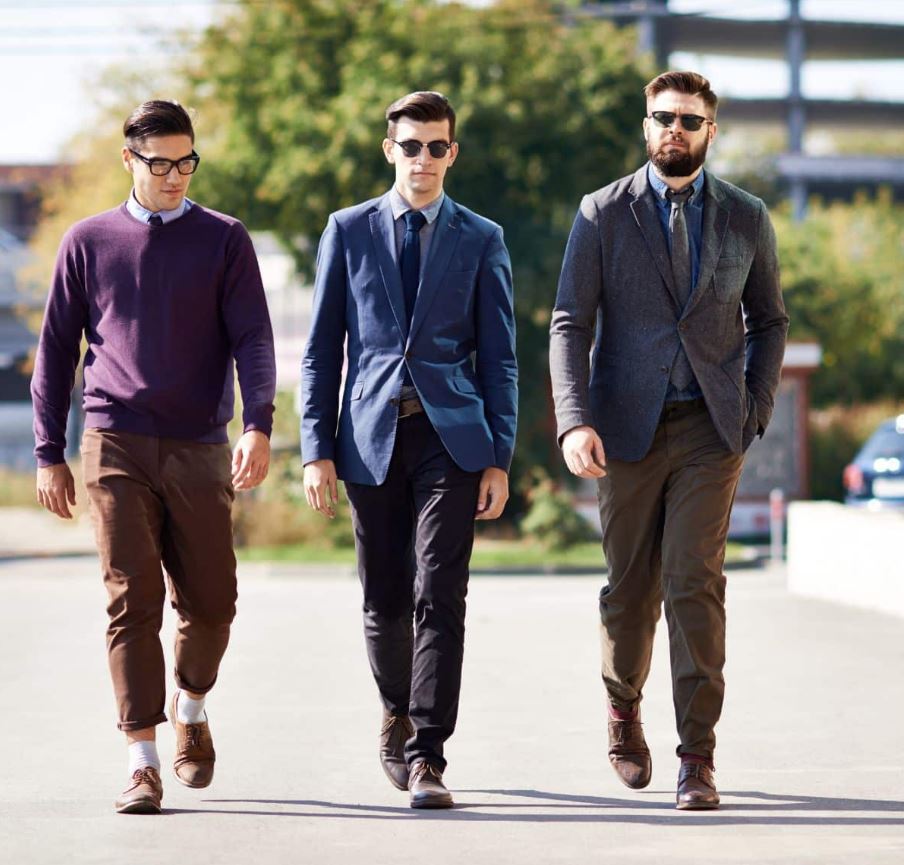
Confidence and Posture Shape the Way Men Are Perceived and the Way They See Themselves
The Power of First Impressions
Before a word is spoken, posture speaks. The way a man stands, walks, or holds himself communicates volumes about his inner state. Confidence does not always begin with belief; sometimes it begins with position. Upright posture signals stability and command, while slouching conveys hesitation or insecurity. People subconsciously judge credibility and approachability based on stance. Shoulders drawn back and chin level project readiness, while eye contact reinforces connection. This subtle conversation of the body often defines first impressions long before speech does. In professional settings, posture acts as a silent introduction, setting expectations of reliability. In social settings, it suggests composure and openness. Correct posture does more than impress others, it alters how one feels internally. Studies have shown that body alignment influences mood and energy. Standing tall increases alertness and confidence by aligning breathing and circulation. A strong posture does not require arrogance or exaggeration; it demands balance between ease and structure. The message is simple: how one carries himself determines how the world receives him.
Posture as the Architecture of Confidence
Confidence is not a performance but a structure, built upon habits of awareness. Posture provides the framework. When the body aligns correctly, the mind follows. A balanced stance distributes weight evenly, allowing natural rhythm in movement. This physical equilibrium translates into psychological steadiness. Men often mistake confidence for volume or dominance, yet true presence radiates quietly through composure. A straight spine and open chest demonstrate both strength and vulnerability, control without rigidity. The alignment of the body affects internal chemistry, reducing stress by regulating breath and circulation. With each controlled inhale, the nervous system stabilizes. Over time, posture becomes identity. It reflects how one perceives himself in space. Practicing posture consciously creates feedback between body and mind. When form supports function, self-assurance emerges effortlessly. Posture shapes more than appearance; it sculpts behavior. The man who maintains balance commands respect not through force but through centeredness, proving that confidence is not loud, it is aligned.
Body Awareness and the Art of Movement
Awareness of movement refines confidence beyond static posture. The way a man transitions from sitting to standing, the pace of his stride, and the rhythm of his gestures all communicate control. Graceful movement implies discipline and mindfulness. Rushed or hesitant motion suggests distraction or uncertainty. Athletes understand this instinctively; balance determines efficiency. Everyday actions, such as shaking hands or entering a room, carry similar weight. Awareness begins with observation. Noticing tension in the shoulders, the curve of the spine, or uneven gait reveals habits that erode presence. Correcting them does not require stiffness but mindfulness. Each movement should flow naturally, anchored by core strength and calm breathing. Training awareness through yoga, martial arts, or simple daily stretching builds fluidity. Movement awareness fosters patience, teaching that confidence grows not from force but from intention. When the body moves with clarity, the mind follows suit. True poise arises not from standing still but from moving with purpose and grace.
The Psychological Link Between Posture and Mindset
The body and mind exist in dialogue. The posture adopted throughout the day influences emotions as much as emotions influence posture. Slumped shoulders reinforce fatigue, while upright alignment fosters optimism and focus. Confidence grows through this feedback loop. By changing body language, one can redirect mental state. It is not pretension but biology. Studies on embodied cognition reveal that standing tall can increase self-assurance by altering hormone balance and breathing rhythm. Men who maintain good posture report higher levels of alertness and calm under pressure. The reason lies in oxygen flow and muscular tension. Poor alignment compresses the diaphragm, limiting breath and increasing stress. Correct posture opens the chest and restores rhythm. It is impossible to feel fully confident while physically constricted. Training the mind begins with training the body to support it. Over time, posture becomes a daily form of meditation, a reminder that stability is a state achieved through awareness, repetition, and trust in one’s own frame.
Style, Clothing, and the Confidence Connection
Clothing influences posture more than most realize. Well-fitted garments encourage upright stance by aligning with the body’s natural shape. Ill-fitting clothes create tension, prompting slouching or stiffness. A suit tailored correctly enhances posture not through vanity but through structure. It becomes armor of refinement. The synergy between clothing and confidence operates in subtle ways. A crisp shirt collar promotes neck alignment, while supportive shoes ground stability. Fabrics that breathe allow comfort, reducing distraction. Men who dress with intention move differently; they carry awareness of detail that extends to movement. The goal is not excess but harmony between appearance and body language. Confidence emerges when attire reflects personality without pretense. Style becomes reinforcement rather than disguise. Every outfit should facilitate posture, not restrict it. Comfort and confidence coexist through proportion, texture, and movement. The result is authenticity, a man whose presence feels effortless because his clothing works with, not against, his natural form and composure.
The Role of Fitness and Strength Training
Physical strength supports posture by stabilizing the skeletal structure. Strong core muscles anchor alignment, while balanced shoulders prevent slumping. Exercise, particularly resistance training, reinforces awareness of form. It teaches coordination, rhythm, and endurance, all essential for maintaining confidence throughout long hours of work or travel. Strength does not require bulk; it requires equilibrium between flexibility and stability. A man who trains consistently not only improves posture but experiences psychological resilience. Fitness instills routine, discipline, and focus, traits mirrored in physical bearing. Standing tall after consistent effort carries meaning beyond aesthetics. It reflects mastery of self. Stretching routines and mobility exercises complement strength training, preventing stiffness that undermines posture. Awareness extends into rest and recovery, where balance between activity and stillness strengthens composure. Fitness is not about vanity but maintenance of presence. The more integrated the body feels, the more naturally confidence appears. A strong posture represents harmony between energy and control, both cultivated through movement and consistency.
Social Dynamics and the Projection of Confidence
In social settings, posture operates as a silent introduction. People respond instinctively to balance and presence. A man who stands tall with relaxed shoulders appears approachable and grounded. Excessive stiffness signals anxiety, while slouching communicates withdrawal. True confidence lies between the two extremes, rooted yet fluid. Maintaining open posture during conversation encourages trust. Mirroring the other person subtly enhances connection, as it reflects attentiveness. Hand gestures should follow rhythm rather than dominate it, reinforcing authenticity. Eye contact, when natural, bridges confidence and respect. The environment also influences projection; posture should adapt without losing integrity. Standing tall in crowded rooms or maintaining composure during discussion demonstrates self-command. Confidence expressed through posture does not intimidate; it reassures. It says, “I am here, aware, and engaged.” Over time, others associate this consistency with reliability. In professional, social, or personal circles, posture becomes the quiet mark of leadership, the art of commanding presence without speaking louder than necessary.
Daily Habits for Sustainable Alignment
Posture is not maintained through effort alone but through daily habits that support it. Long hours at a desk, screen time, and sedentary routines gradually erode alignment. Awareness begins with small corrections. Adjusting chair height, standing periodically, and engaging the core while sitting prevent muscular fatigue. Stretching in short intervals reawakens circulation. Walking mindfully strengthens connection between balance and rhythm. Even breathing with awareness influences posture by expanding the chest and lengthening the spine. Sleep posture matters too; improper alignment during rest can undo progress made during the day. Investing in supportive mattresses and pillows ensures continuity. Hydration, nutrition, and rest contribute indirectly by reducing inflammation that tightens muscles. Every habit either builds or breaks alignment. The key is consistency rather than intensity. Posture training becomes part of lifestyle rather than occasional effort. Confidence flourishes when physical and mental structure reinforce one another, proving that self-care extends beyond appearance into daily embodiment of discipline and ease.
Confidence as a Reflection of Alignment
Confidence and posture are inseparable reflections of internal harmony. The man who stands upright expresses more than physical alignment; he communicates peace with himself. Posture shapes energy, emotion, and perception. Confidence built upon posture is sustainable because it arises from integrity rather than illusion. It requires no performance, only awareness. Every step, gesture, and breath becomes affirmation of presence. To carry oneself with balance is to live consciously within one’s own frame, acknowledging both strength and vulnerability. Confidence grows not from imitation but from understanding how the body and mind cooperate to project truth. Posture, then, becomes philosophy, a way of moving through life with composure and respect. It is the quiet mastery of self-expression, where alignment translates into authenticity. When a man stands tall, he does not dominate the room; he centers it. Confidence begins not in words or actions but in stillness, where the spine aligns, the breath steadies, and presence becomes effortless.