

Contours of Modern Elegance
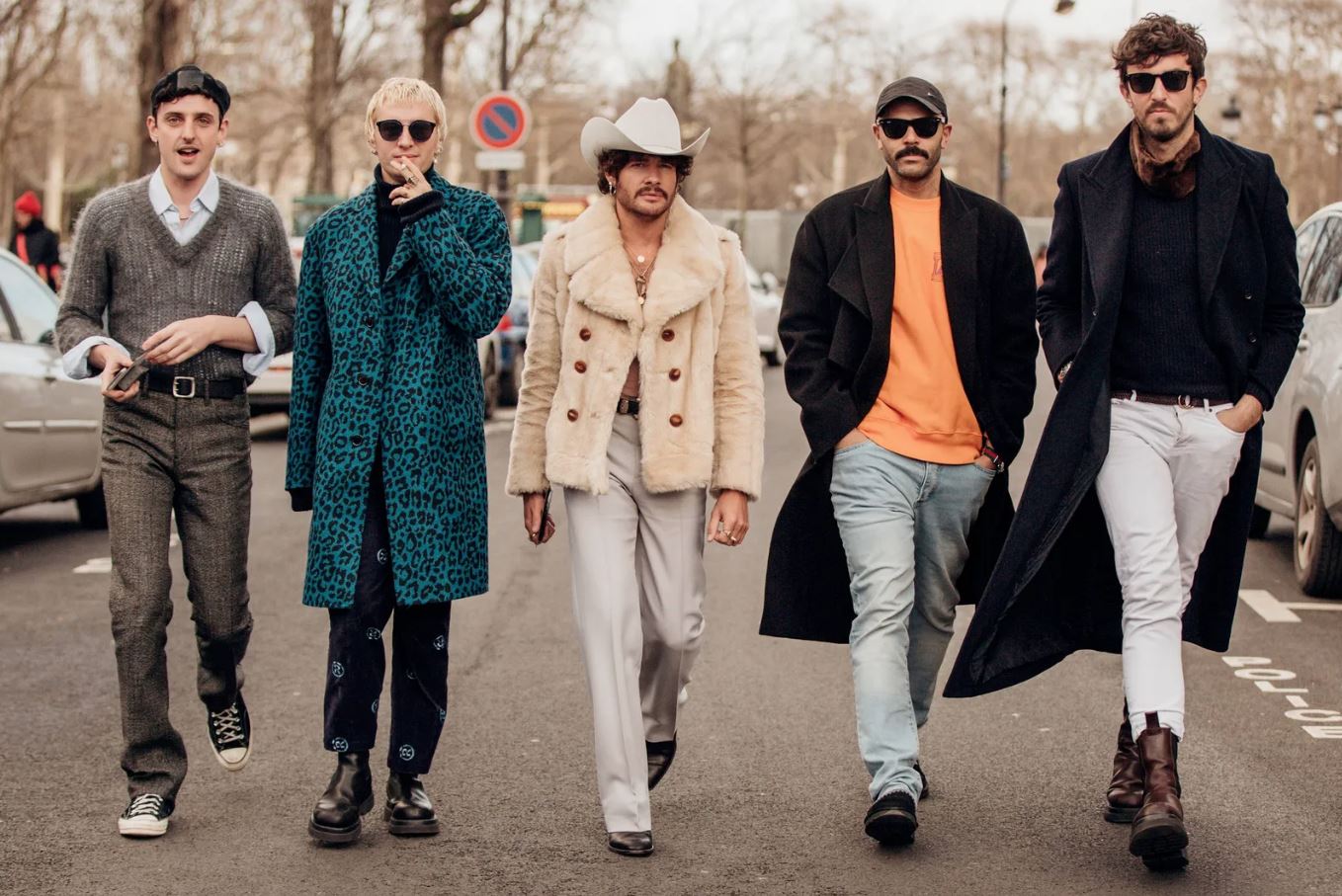
Contemporary Men Shape Identity Through Shifting Fashion Movements
The Evolving Language of Style
Men’s fashion no longer follows the rigid lines of uniformity that once defined it. The modern landscape celebrates expression rather than imitation. Over the past decade, the dialogue between culture and clothing has accelerated, fusing technology, sustainability, and personal narrative into a new aesthetic grammar. The man of today no longer sees clothing as armor but as articulation, a visible reflection of his choices, ethics, and awareness. This evolution began when casual wear challenged the supremacy of formal dress. Sneakers entered offices once ruled by brogues, and unstructured blazers replaced traditional tailoring. What seemed rebellious became refined through repetition. The essence of this transformation lies not in abandoning tradition but in expanding its meaning. Men now curate wardrobes that communicate adaptability. They mix fabrics once segregated by function and explore silhouettes once considered unconventional. The result is a fashion landscape shaped by fluidity, where individuality thrives through intentional experimentation. As trends evolve, they emphasize authenticity over adherence, proving that elegance adapts to the rhythm of culture itself.
The Return of Texture and Tactility
Clothing is no longer only visual; it has become a sensory conversation. Texture defines modern style as much as color or cut. Suede jackets, knitted polos, and brushed cotton trousers have reintroduced touch as a dimension of elegance. The resurgence of tactile fabrics signals a broader cultural craving for authenticity and depth. In an era of digital saturation, men gravitate toward materials that feel grounded and human. Corduroy, once confined to academia, now anchors contemporary wardrobes with quiet authority. Wool blends appear in transitional seasons, allowing a single garment to span climates and moods. Texture brings imperfection into perfection, giving garments dimension and history. The interaction between fabric and light changes the mood of an outfit throughout the day. These subtle transitions create movement without excess. To embrace texture is to understand patience. It rewards those who notice details others overlook. In this renaissance of tactility, clothing becomes experience rather than ornament. Texture invites conversation, not comparison, reminding men that sophistication often resides in what is felt rather than seen.
The Fluidity of Silhouette
For decades, men’s fashion revolved around structure and control. Today, silhouette has become fluid, reflecting a cultural shift toward ease and versatility. Oversized coats, relaxed trousers, and draped shirts have replaced the rigid tailoring that once symbolized power. This does not signal a decline in formality but a redefinition of authority. Freedom of movement mirrors freedom of thought. The relaxed silhouette carries confidence rooted in comfort rather than conformity. Designers reinterpret classic cuts with proportion play, expanding shoulders or lowering waistlines to create dynamic contrast. Fluidity also allows individuality to emerge. One man may favor the minimalism of a straight cut, while another experiments with exaggerated volume. The result is a spectrum of self-expression unified by balance. When proportion is mastered, looseness can appear as deliberate as structure. Fashion’s evolution toward comfort aligns with a psychological evolution toward acceptance. It represents an understanding that strength need not be sharp-edged, that grace can reside in the softness of fabric that moves with the body rather than against it.
The Dialogue Between Streetwear and Tailoring
The merging of streetwear and tailoring marks one of the most significant transformations in modern menswear. What began as contrast has matured into collaboration. Streetwear brings energy and accessibility; tailoring contributes structure and heritage. The fusion of the two has generated a vocabulary that resonates with multiple generations. A man may wear sneakers beneath a double-breasted suit or layer a hoodie under a tailored coat. The lines that once separated leisure from luxury have blurred into harmony. This dialogue reflects the broader social movement toward authenticity. Men want wardrobes that adapt to varied environments without requiring costume changes. Streetwear democratizes fashion by valuing creativity over conformity, while tailoring retains the discipline of craft. Together, they symbolize balance between spontaneity and intention. This hybrid style captures the spirit of the time: a coexistence of old and new, of the street and the salon, where confidence stems from coherence rather than conformity. The modern gentleman walks comfortably between worlds, carrying refinement with approachability and purpose with ease.
The Influence of Sustainability
The future of men’s fashion depends on responsibility as much as aesthetics. Sustainability has transitioned from marketing slogan to design imperative. Ethical production, recyclable materials, and transparency define the new luxury. The conscious consumer values longevity over impulse, leading brands to reimagine quality as endurance rather than exclusivity. Linen, hemp, and organic cotton have returned as mainstays, supported by advances in low-impact dyeing and responsible sourcing. Upcycling transforms remnants into renewed garments, turning waste into narrative. Men’s fashion increasingly reflects environmental empathy, acknowledging that elegance without conscience is incomplete. The slow fashion movement encourages careful acquisition. Fewer garments, chosen wisely, yield more versatility and meaning. Maintenance becomes part of identity: polishing shoes, repairing seams, and storing coats properly. These acts extend life cycles and cultivate appreciation. Sustainability aligns refinement with integrity, proving that true sophistication considers consequence. The man who dresses sustainably demonstrates awareness beyond himself, participating in fashion as stewardship rather than consumption. This perspective turns wardrobe curation into quiet activism, linking aesthetics with accountability.
The Revival of Color and Emotion
Color has reemerged as a form of emotional articulation. The monochromatic restraint that dominated early minimalist movements has softened into expressive nuance. Earth tones convey serenity, while bold hues signify creative confidence. Men experiment with combinations once dismissed as daring: rust with navy, olive with cream, coral with sand. This chromatic awakening reflects broader emotional literacy. Men are learning to communicate through tone, not only in speech but in fabric. Color selection influences perception and mood. A muted palette suggests introspection, while vivid shades energize the atmosphere. Designers now treat color as dialogue between garment and wearer. Seasonal palettes evolve not from dictate but from observation of shifting emotional climates. The pandemic years, with their isolation, gave rise to palettes of comfort, browns, greens, and blues that grounded rather than dazzled. As society reopened, brighter pigments reentered wardrobes as symbols of renewal. To embrace color is to embrace vulnerability, the courage to express emotion openly. This chromatic renaissance transforms dressing into a form of emotional intelligence, turning hue into language and fabric into feeling.
The Rise of Functional Luxury
Functionality has become fashion’s most understated revolution. The modern man demands versatility from every garment. Jackets conceal hidden pockets for devices, trousers stretch with ergonomic precision, and fabrics resist weather without sacrificing elegance. Functional luxury merges practicality with refinement, proving that utility can exist without compromise. This trend arises from the rhythm of urban life, where transitions from work to leisure happen seamlessly. A single coat must perform under multiple conditions, and footwear must balance durability with design. Brands respond with innovation: recycled nylon parkas with tailored lines, waterproof wool suits that retain breathability, and sneakers engineered like sculpture. Functionality redefines opulence by aligning performance with beauty. The man who chooses function as form recognizes that style serves life, not the reverse. Each piece becomes an instrument of efficiency crafted for elegance. This mindset elevates dressing from ritual to resource, revealing that sophistication resides not only in appearance but in the foresight embedded within design itself.
The Return of Craft and Heritage
Amid global acceleration, craftsmanship has regained reverence. Men are rediscovering the value of garments made by hand, stitched with patience and authenticity. Artisanship restores soul to fashion, anchoring it in story and skill. Tailors, cobblers, and weavers embody continuity in a world obsessed with speed. Their work transforms clothing into heirloom. Heritage brands evolve by preserving technique while embracing modern design. The contemporary man admires precision not only for its result but for the human dedication behind it. Visible stitching, textured leather, and hand-dyed cloth become symbols of integrity. This return to craft aligns with the psychological desire for grounding. In craftsmanship, men find reliability and ritual. They connect to legacy through thread and leather. The tactile connection to tradition reminds them that progress and preservation can coexist. Craftsmanship transforms ownership into participation, inviting the wearer into a lineage of skill. In an era of disposability, the handmade reasserts permanence, reminding every generation that true style begins where care meets creation.
The Horizon of Expression
The trajectory of men’s fashion trends reveals more than changing silhouettes; it charts the evolution of consciousness. Each season adds a note to a growing composition that blends past discipline with present freedom. The man of tomorrow will dress not for approval but for alignment. His wardrobe will integrate sustainability, technology, and emotion into a seamless expression of identity. Digital tools will personalize fit, while craftsmanship will preserve soul. Fashion will become a dialogue between innovation and memory. The pursuit of elegance will remain constant, though its definition will expand with empathy and inclusion. What began as rebellion against rigidity will mature into harmony between authenticity and awareness. As men navigate this horizon, they carry forward one enduring truth: style is never static. It listens, adapts, and reflects. It evolves alongside the individual who wears it, remaining the most human form of art because it lives and breathes through daily choice. In that rhythm of transformation, fashion continues to teach that refinement is not a possession but a practice of being awake to oneself and the world.