

Refining Character Through the Perfect Cut
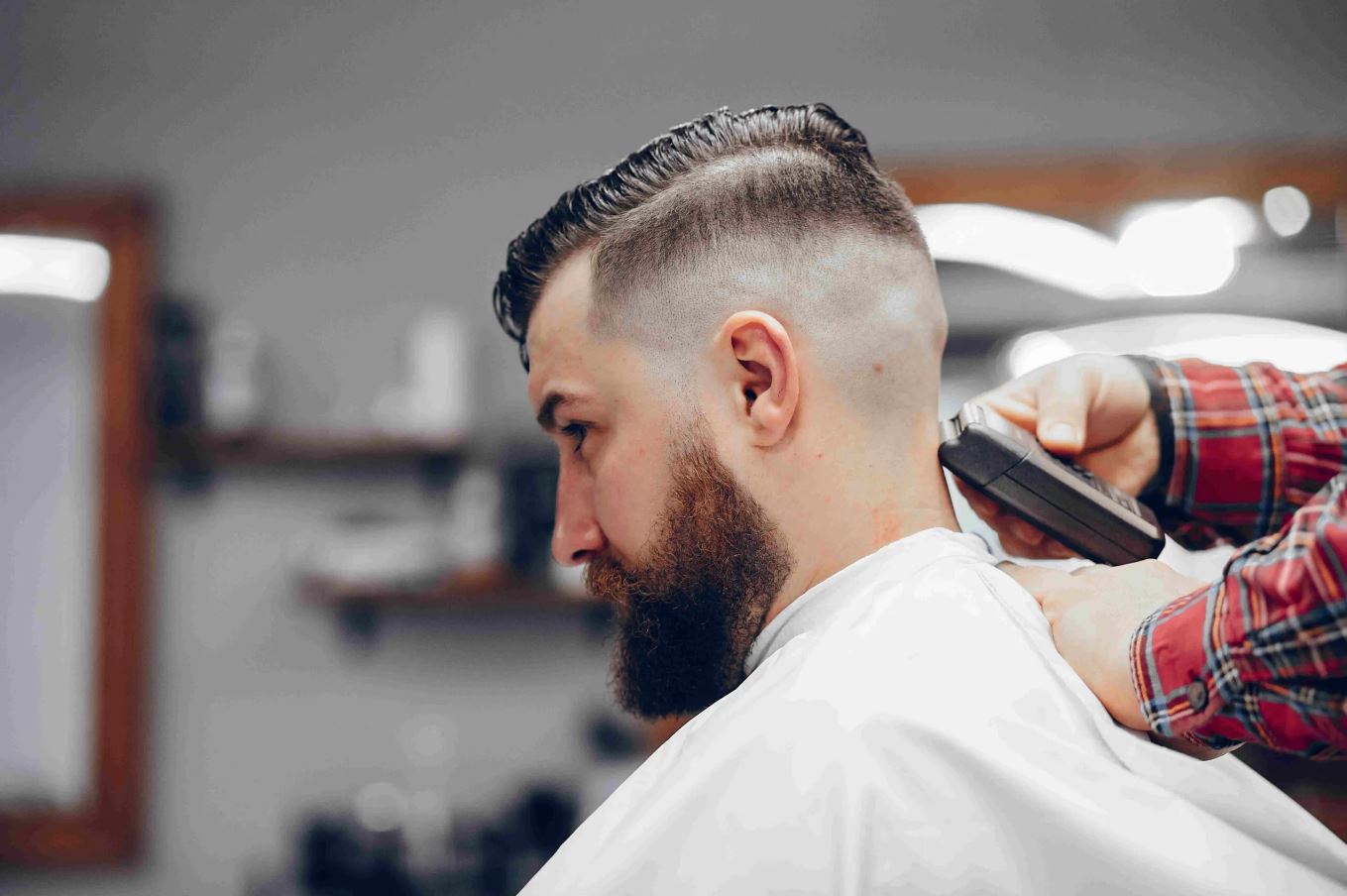
How Men Can Choose and Maintain Haircuts That Define Confidence, Precision, and Timeless Style
The Meaning of a Good Haircut
A haircut is more than a trim or change in appearance. It is a statement of identity, professionalism, and confidence. Every man, regardless of lifestyle, communicates something through his haircut before he even speaks. It frames the face, influences how others perceive his character, and affects how he perceives himself. A good haircut blends precision and personality. It enhances features without overpowering them and adapts naturally to daily life. The modern man no longer views haircuts as routine maintenance but as a form of self-expression. Each style, from a clean fade to a textured quiff, carries intention. When chosen wisely, it becomes a tool of communication, a way to project reliability, creativity, or subtle sophistication. The haircut reflects the wearer’s discipline, showing attention to detail and self-respect. Understanding this connection transforms grooming into an art that goes beyond aesthetics and into the realm of personal refinement.
Understanding Hair Texture and Growth Patterns
Hair texture dictates how a haircut will look and behave. Straight, wavy, curly, and coily hair each respond differently to scissors, clippers, and styling techniques. Straight hair reflects light and appears sleek, making it ideal for structured styles like undercuts or side parts. Wavy hair carries natural volume, lending itself to relaxed, layered cuts that emphasize movement. Curly hair has its own rhythm, thriving in styles that embrace shape rather than forcing conformity. Coily hair requires hydration and precision fading to maintain definition and form. Growth pattern matters as much as texture. Cowlicks, hair whorls, and uneven density affect balance and require adaptation. An experienced barber studies these traits before cutting, ensuring harmony between natural direction and design. When a haircut works with, not against, natural behavior, maintenance becomes effortless. Recognizing these patterns allows men to select styles that enhance rather than fight their natural form, ensuring longevity and visual strength.
Matching the Cut to Face Shape
Face shape is the foundation for choosing a flattering haircut. The right proportions can strengthen jawlines, balance features, and refine presence. Men with round faces should seek height and structure through cuts like pompadours or textured crops that elongate appearance. Square faces already have strong definition and benefit from slightly softer edges to avoid harshness. Oval faces, considered the most balanced, accommodate nearly any style, from buzz cuts to slicked backs. Oblong faces require moderation in height to prevent further elongation, making mid-length layers ideal. Triangle or heart-shaped faces benefit from added width around the temples or side texture to balance narrower chins. A barber trained in facial geometry uses angles and contours as guides, ensuring proportion and flow. This approach creates natural symmetry rather than forced perfection. The ideal haircut should appear as if it belongs to the wearer, not as a trend imposed on individuality.
Classic Haircuts That Never Fade with Time
Trends evolve, but timeless cuts endure because they balance elegance and practicality. The crew cut, sharp and minimal, conveys discipline and is easy to maintain. The side part, adaptable to both formal and casual attire, offers structure without stiffness. The pompadour brings controlled height and vintage flair, projecting confidence. The textured crop represents modern minimalism, defined by its short, matte finish. The buzz cut, simple yet bold, symbolizes strength and self-assurance. For men with longer preferences, the layered cut or medium-length sweep offers flexibility while preserving refinement. These cuts persist because they adapt easily to lifestyle, wardrobe, and age. They complement both a suit and a T-shirt with equal ease. A classic haircut does not chase attention, it earns it quietly. It becomes part of identity, evolving subtly with time while maintaining character. Longevity in style arises not from novelty but from proportion, craftsmanship, and purpose.
The Rise of Contemporary and Hybrid Styles
Modern haircuts blend tradition with innovation. The fade, once limited to military influence, now appears in countless variations: low, mid, high, or skin fade, each offering unique personality. The disconnected undercut merges vintage roots with modern edge, creating contrast between sharp sides and full tops. The textured fringe emphasizes casual confidence, ideal for relaxed or creative professions. Longer hairstyles, once dismissed as informal, have returned with structure and control, showcasing movement and natural volume. The hybrid trend combines precision barbering with fluid styling. Men today can merge the sophistication of classic cuts with the energy of modern experimentation. Products like clay, pomade, or sea-salt spray enhance texture and adaptability. The result is a haircut that transitions seamlessly between professional and personal settings. This flexibility defines the new era of men’s grooming, style that feels intentional, versatile, and expressive without appearing excessive or artificial.
Choosing the Right Barber or Stylist
The skill of the professional determines how a haircut performs beyond the chair. A qualified barber understands head shape, texture, and lifestyle, while a stylist interprets personality and trend compatibility. Choosing the right professional begins with observation. A good barber listens, advises, and explains technique rather than simply following instruction. Consultation should include discussion of maintenance habits and product use. Photos can provide direction but should never replace conversation. The best results come from collaboration, where expertise meets individual vision. Visiting the same barber consistently builds trust and continuity, ensuring future cuts refine rather than reset progress. Attention to cleanliness, tool maintenance, and precision reflects professionalism. A great barber leaves a haircut that looks sharp not only on day one but after weeks of growth. Investing in skill guarantees consistency. A haircut may last a few weeks, but craftsmanship leaves an impression that lasts much longer.
Maintenance Between Visits
Haircuts require upkeep to remain crisp and balanced. Regular washing and conditioning prevent buildup and dryness. Using a lightweight shampoo preserves scalp health, while conditioner restores shine and softness. Trimming neckline and sideburns at home keeps edges neat between appointments. Styling products should complement the cut, not overpower it. For structured looks, matte clays and pomades provide control without stiffness. For longer or textured hair, leave-in conditioners and light creams preserve flexibility. Brushing or combing daily distributes natural oils and prevents tangles. Avoid excessive heat from dryers or straighteners, as they weaken strands over time. The frequency of barber visits depends on the style: fades require attention every two to three weeks, while longer cuts can go four to six. Consistency maintains shape and symmetry. A haircut maintained properly continues to look intentional. Care between visits reflects pride, turning routine grooming into disciplined self-respect.
Styling and Product Application Techniques
Mastering a haircut means learning how to style it correctly. The process begins after washing. Lightly towel-dry hair to retain moisture without dripping. Apply product evenly between palms before distributing from back to front, ensuring every strand receives equal attention. The amount matters, too much product creates heaviness, too little leaves no control. Use a blow-dryer on low heat to shape direction and volume, guiding air along the grain rather than against it. Comb or fingers define final structure. Matte products create natural texture, glossy ones highlight polish. Balance determines sophistication: movement should look deliberate, not forced. A haircut that responds to touch shows adaptability and confidence. Daily styling becomes easier when hair health and precision align. Good styling is invisible, it appears effortless yet controlled, as though the hair simply fell into place that way. The goal is natural refinement rather than perfection through excess.
Seasonal Adjustments and Evolving with Age
Haircuts should evolve alongside lifestyle, environment, and age. Seasonal changes affect texture and maintenance. In warmer months, shorter cuts offer comfort and practicality, while cooler seasons favor slightly longer styles that retain warmth and volume. Humidity demands products that resist frizz and preserve structure, while dry climates call for hydration-focused care. As men mature, subtle adjustments maintain relevance without forcing youth. Gradual tapering, softer edges, or blended fades preserve sophistication while respecting changing density or color. Gray hair, when styled well, exudes confidence and distinction. The goal is not to chase trends but to adapt with dignity. A haircut should always reflect the man’s current chapter. By refining shape and product use over time, a man continues to look intentional. Evolving hair care symbolizes adaptability, a trait as stylish as any garment. Growth, both literal and figurative, defines long-term mastery in grooming.
Confidence Through Consistency
The true purpose of a haircut extends beyond style. It reinforces confidence through predictability and self-control. Visiting a barber regularly, maintaining health, and mastering styling habits establish rhythm. These routines become grounding rituals that shape self-image. When a man steps out with a fresh cut, he feels renewed, ready, and composed. Haircuts mark milestones, refresh perspective, and support presence in both personal and professional spaces. Confidence grows not from vanity but from alignment, between outer appearance and inner calm. The best haircuts do not seek attention; they command it quietly through symmetry, cleanliness, and restraint. Style fades, but discipline endures. Maintaining a consistent haircut becomes a metaphor for balance, reflecting a mindset that values order and precision. In the end, grooming is not about chasing approval but about projecting readiness. A well-kept cut is proof that refinement begins with care and ends with confidence.